“The Silent Scream of the Shoulder: Torn Muscles, Frozen Joints, and the Hope of Moving Again”
The shoulder…
The joint with the widest range of motion in our body.
We only realize how much we use it in daily life, without even noticing, when we experience a problem with it.
As one of my patients put it:
“Doctor, I only realized the place my shoulder holds in my life when I couldn’t lift my arm.”
And it truly is.
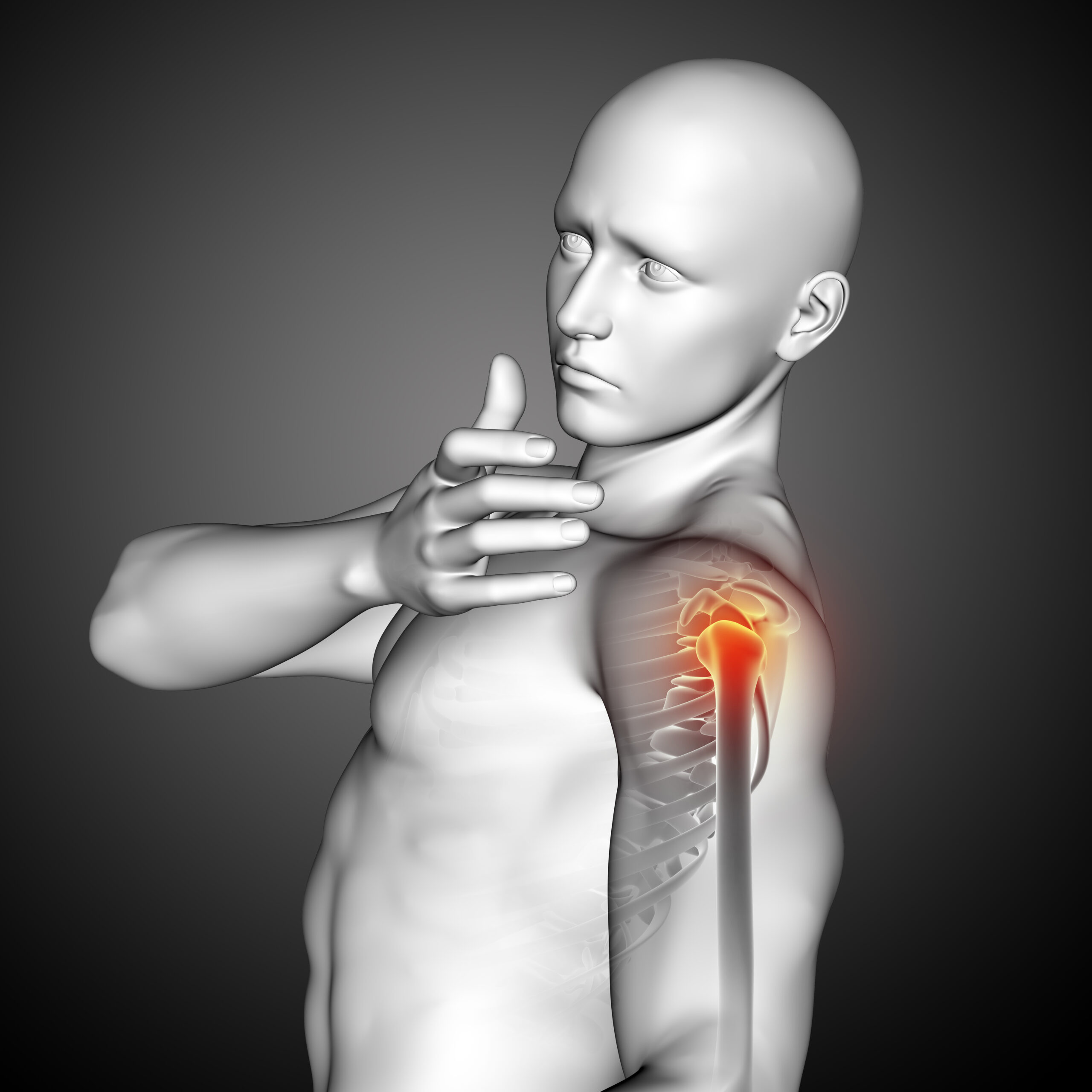
When tears occur in the shoulder muscles, if this condition is not treated in a timely and correct manner, serious problems such as restricted movement and frozen shoulder can develop.
Shoulder movement gradually decreases, pain increases, and eventually the shoulder almost completely “freezes”.
Another danger is shoulder osteoarthritis, which develops over the long term.
Because when the muscle structure that protects the shoulder joint weakens, the cartilage surface is left unprotected and the joint begins to wear down.
This is exactly why early repair of shoulder muscle tears is the most effective way to preserve shoulder health.
The material we use to attach muscles to bone during this repair is called an “anchor”.
It truly takes its name from the world of seafaring — just as a boat is secured at sea by casting a sturdy anchor, we attach the muscle to the bone on the very same principle.
These anchors have different biomechanical properties depending on the structure of the bone.
Before every operation, we select the anchor best suited to the patient’s tissue and muscle quality.
Just as much as the surgeon’s experience, the quality of the implants used also plays a decisive role in the success of the operation.
In recent years, arthroscopy (the closed method) and biological treatments have taken this process to an entirely different level in shoulder surgery.
We repair “rotator cuff” muscle tears in the shoulder by entering through just a few small portals.
At the same time, we strengthen the muscle’s attachment to the bone and its healing through biological augmentation methods.
In cases where muscle quality is poor, we adapt pieces taken from the patient’s own tissue into the shoulder muscles.
This both increases the strength of the muscle and biologically supports its attachment to the bone.
In some cases, we perform a muscle transfer so that another muscle takes over the function of the torn one, thereby re-covering the shoulder.
We perform all of these procedures using the arthroscopic method, that is, with minimal incisions.
This speeds up the patient’s recovery, reduces their pain, and makes it easier for them to return to daily life.
But there is one very important thing that must not be forgotten:
➡️ No matter how perfect the surgery performed, rehabilitation after shoulder surgery is just as important as the surgery itself.
Physical therapy is a process that is at least as critical as surgery in re-strengthening the muscles and regaining movement.
At the point we have reached today in shoulder surgery, with correct planning, quality implants, biological support, and patient rehabilitation, we are able to bring our patients back into life once again.
And every successful shoulder surgery reminds me of this once more:
The shoulder is not just a joint — it is a symbol of freedom of movement.
Click Here to Book an Online Appointment or Call Us: 0312 502 70 74 0533 968 82 07