Cartilage Transplantation: Hope for Patients Told They “Need a Replacement” at a Young Age
You are young and active, but severe pain in your knee, hip, or shoulder has taken over your life. Climbing stairs has become torture, and you’ve had to give up the sports you love. Most of the doctors you’ve seen say the same thing: “You’re too young for a replacement, just manage for now.” So, are you condemned to living with pain for years and compromising your quality of life?
As an Orthopedics and Traumatology Specialist, I have encountered patients caught in this dilemma for years. I, Prof. Dr. Murat Bozkurt, offer this challenging yet hopeful group of patients one of the most innovative solutions modern medicine has to offer: Cartilage Transplantation. In this article, I will explain the details of this method, which provides a biological alternative to metal prostheses, and how the medicine of the future lies hidden within our own biology.
Cartilage Damage in Young Patients: Why Isn’t Waiting the Solution?
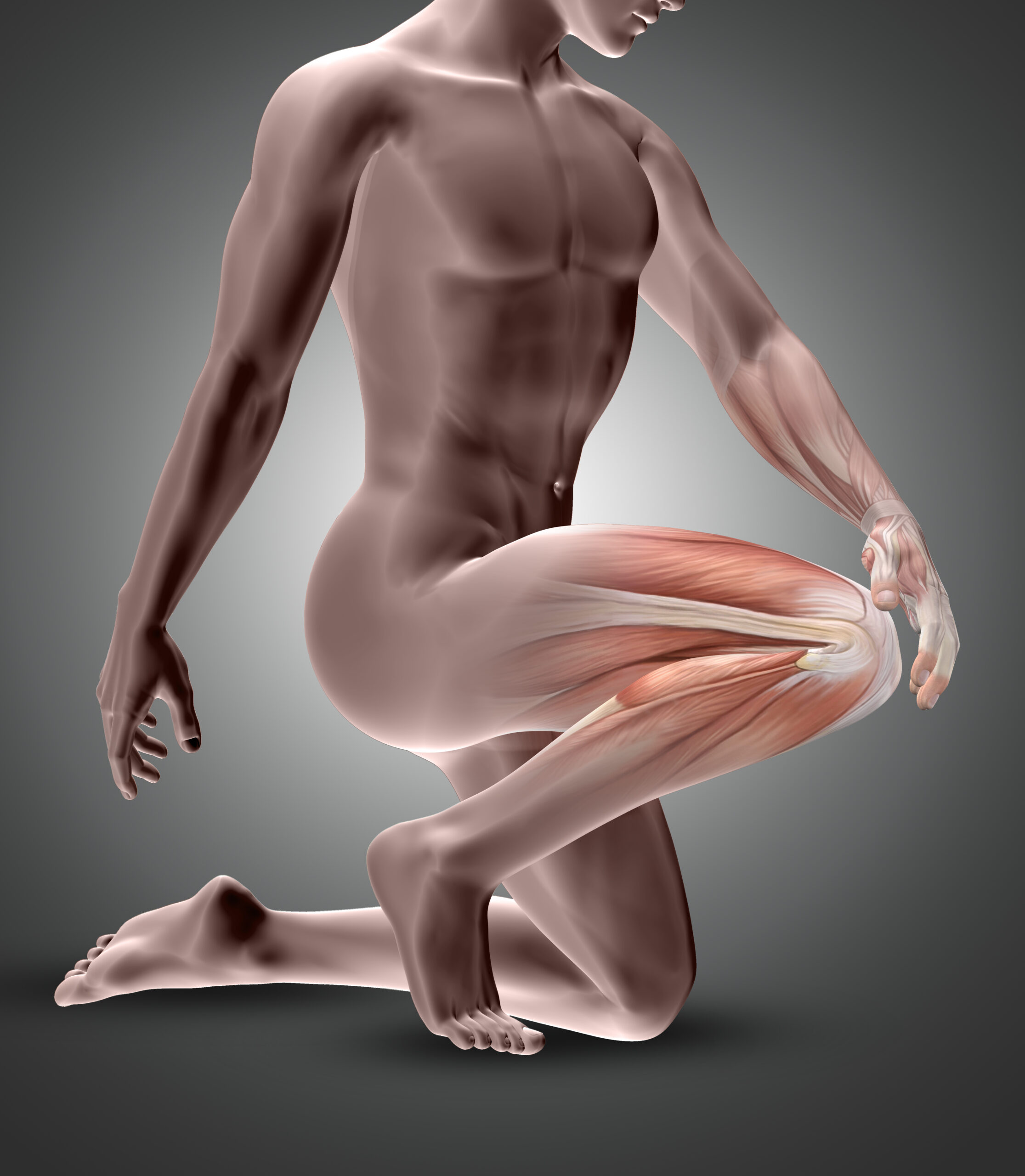
Articular cartilage is a specialized tissue that covers the ends of bones and allows the joint to move smoothly. When this tissue is damaged, its capacity for self-repair is very limited. In young patients, this leads to the following problems:
- Persistent Pain: Pain that does not subside even during daily activities.
- Restricted Movement: Catching, locking of the joint, and a decreased range of motion.
- Early-Onset Osteoarthritis: The damaged area gradually expanding over time to affect the entire joint, leading to serious conditions such as knee osteoarthritis in young people.
“Waiting” can cause this damage to progress and pave the way for a more complex surgery down the line—namely, knee replacement. Yet the goal should be to preserve the joint’s biological structure.
The Biological Solution: What Is Cartilage and Tissue Transplantation Surgery?
In my experience, one of the most effective and lasting solutions for large cartilage and underlying bone tissue loss—especially in young patients—is transplantation using fresh tissue obtained from a cadaver donor. This method aims to completely replace the damaged area with healthy, living tissue.
How Does the Treatment Process Work?
At our clinic, we apply this advanced technology treatment in the following steps:
- Detailed Planning: The size and location of the patient’s damaged area are determined using precise imaging techniques.
- Tissue Procurement: Fresh, healthy cartilage-bone tissue (osteochondral allograft) that is a precise match for the patient’s damage is procured through tissue banks in Turkey or abroad.
- Biological Enhancement: Before transplantation, we process the procured tissue with stem cells taken from the patient’s own bone marrow, making it more biologically compatible and better suited for healing.
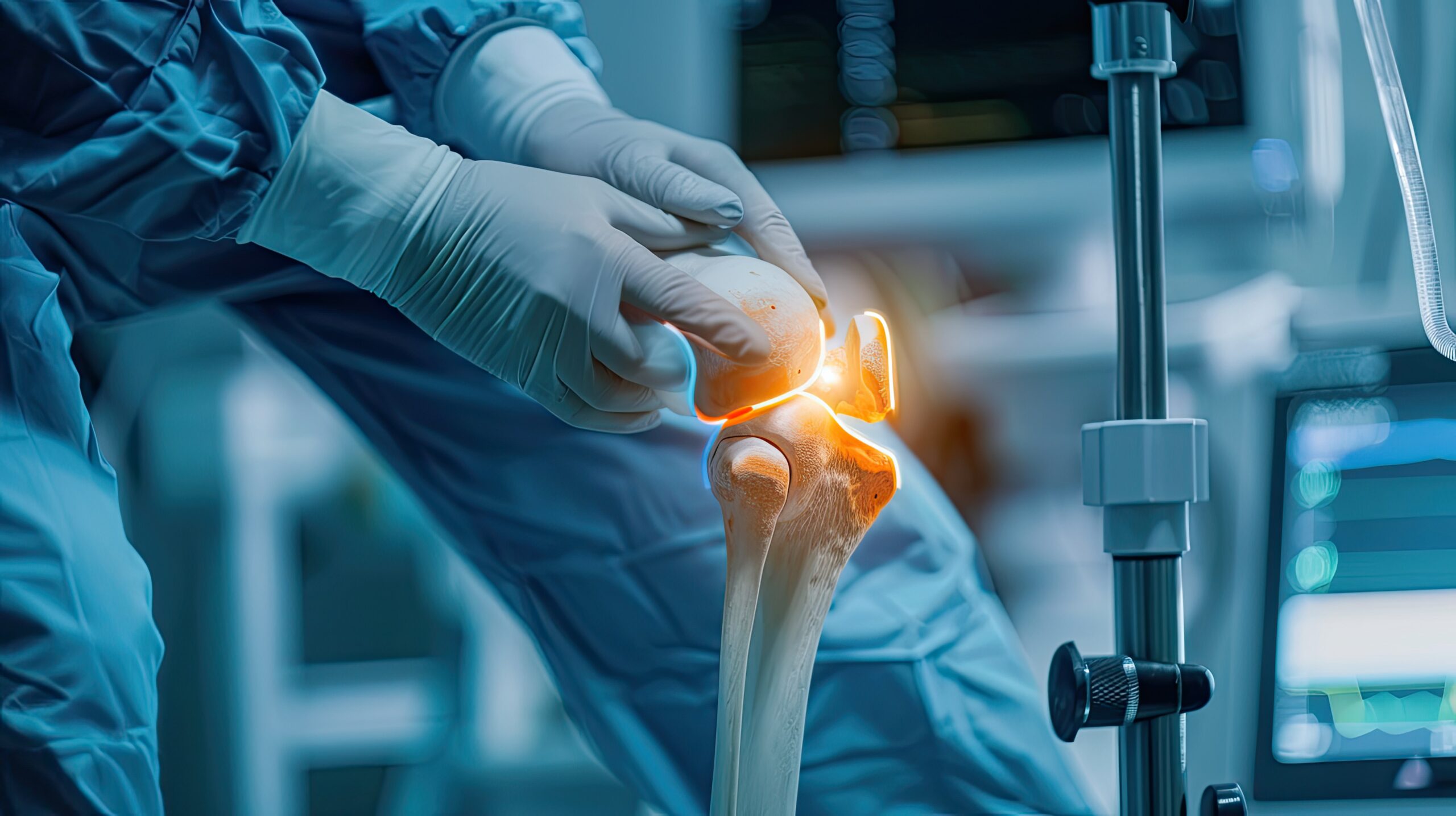
- Surgical Procedure: The damaged tissue is completely removed and replaced with the prepared healthy tissue. This restores the joint surface to a smooth and functional state.
Thanks to this approach, I can proudly say that I have built one of the largest clinical series in our country and have published the successful results I have achieved in respected international surgical journals.
Which Joints Can Undergo Cartilage Transplantation?
Although we most commonly use this method for large defects in the knee joint, my experience has shown that this treatment also produces highly successful results in other joints. The other joints in which we perform cartilage transplantation include:
- Hip Joint
- Ankle Joint
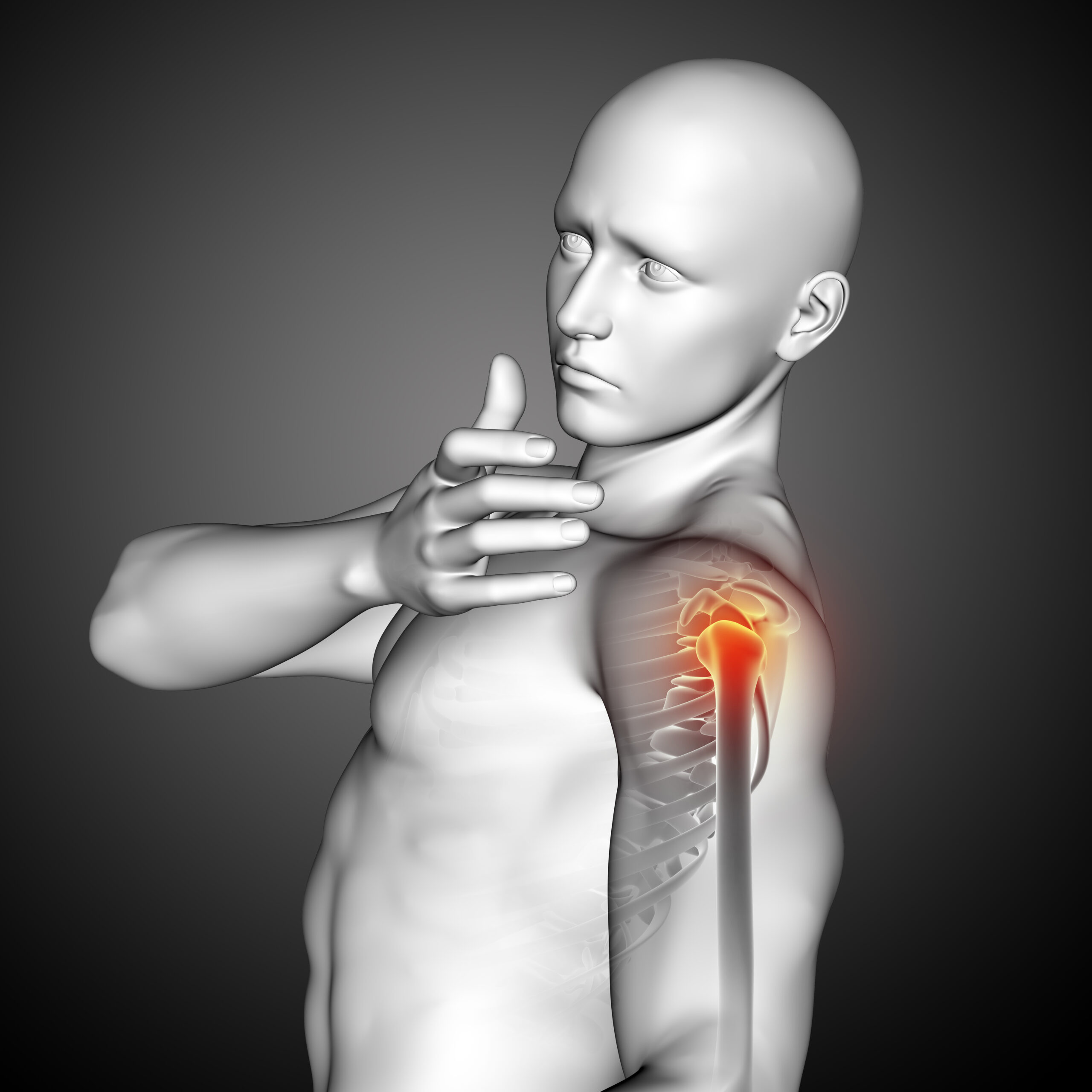
- Shoulder Joint
For every patient and every joint, the treatment plan is carefully designed according to the anatomical structure of that region and the extent of the damage.
The Future Is in Our Biology: Is This the End of Metal Prostheses?
I believe that the future of medicine lies not in synthetic materials, but in a return to the human body’s own biology. The tissue transplantation surgeries we perform successfully today are laying the foundation for tomorrow’s complete joint transplants and biological joint regeneration.
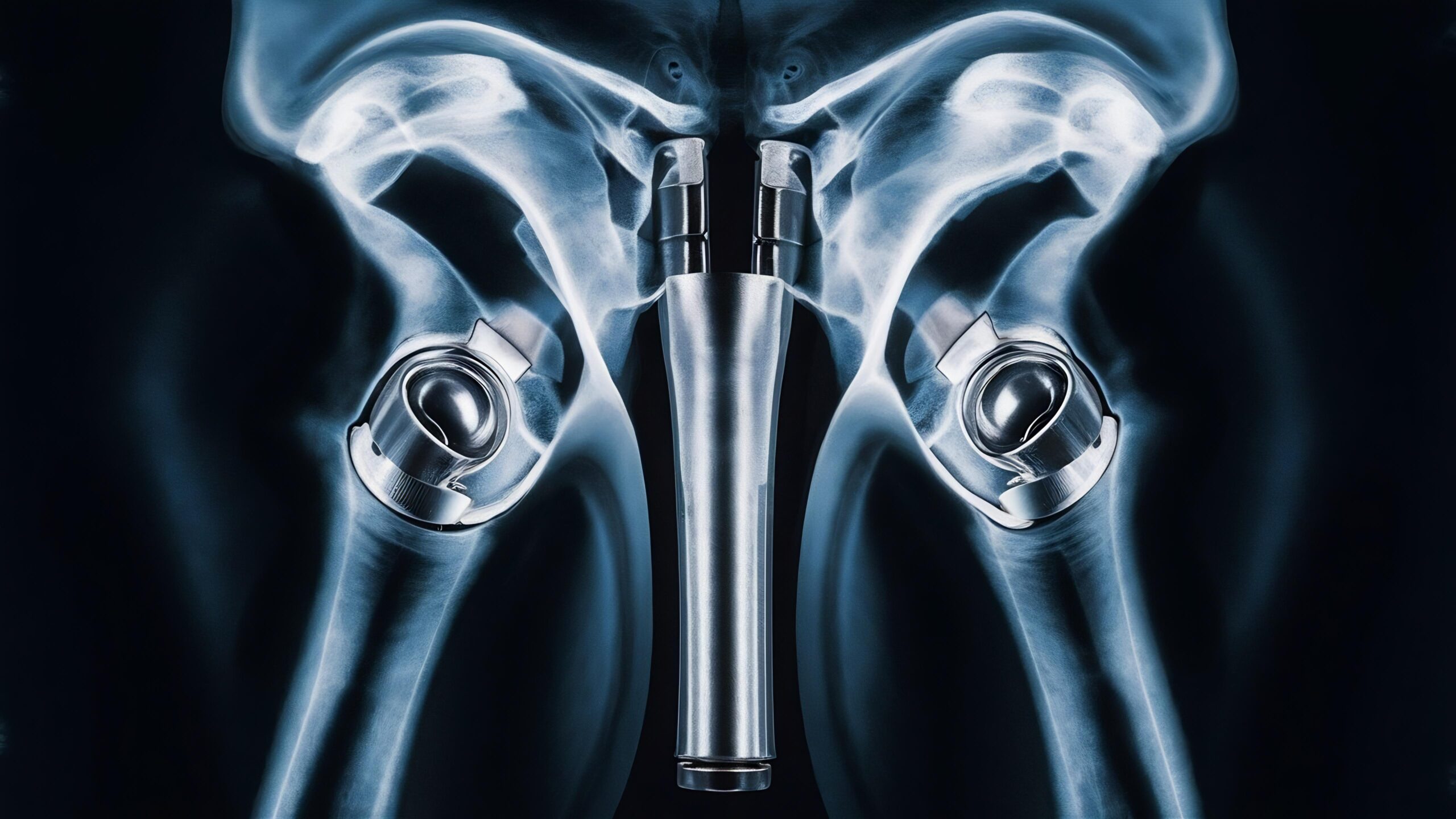
In the near future, tissue banks will be replaced by centers that produce personalized cells and organs. When that day comes, instead of replacing a worn joint with a metal prosthesis, we will treat it with a biological joint “rebuilt” from the patient’s own cells.
Return to Life Again With Your Own Biology
If you were told at a young age, “there’s nothing to be done, wait for a replacement,” don’t lose hope. Biological and innovative treatments such as cartilage transplantation offer a powerful alternative to relieve your pain and bring you back to an active life. This is not just a surgical innovation—it is also a door opening onto the future.
Remember, the future lies hidden within our own biology.
If you too are experiencing cartilage damage and would like information about biological solutions as an alternative to joint replacement, you can get in touch with Prof. Dr. Murat Bozkurt to have your condition evaluated.
Frequently Asked Questions (FAQ) Section
1. Am I a suitable candidate for cartilage transplantation? Cartilage transplantation is generally an ideal option for active patients who have large, deep cartilage damage, are too young for a joint replacement, and for whom other treatment methods have failed. A definitive decision is made after a detailed examination and radiological evaluation.
2. Is there a risk that the transplanted tissue will be rejected by the body? Since articular cartilage does not contain blood vessels, it is largely isolated from the immune system, which makes the risk of rejection very low. In addition, we further increase compatibility by processing the tissue with the patient’s own stem cells.
3. How long does the recovery process take after cartilage transplantation surgery? The recovery process varies depending on the joint operated on and the extent of the damage. It generally requires the use of crutches for a few weeks, followed by a long and disciplined physical therapy and rehabilitation process. Return to sports or full activity can take 6-12 months.
4. Does this treatment completely eliminate the need for knee replacement? The primary goal of cartilage transplantation is to preserve the patient’s own biological joint, offer a pain-free and functional life, and delay—or entirely eliminate—the need for a replacement for years, or even decades.
Click to Book an Appointment Online or Call Us: 0312 502 70 74 0533 968 82 07