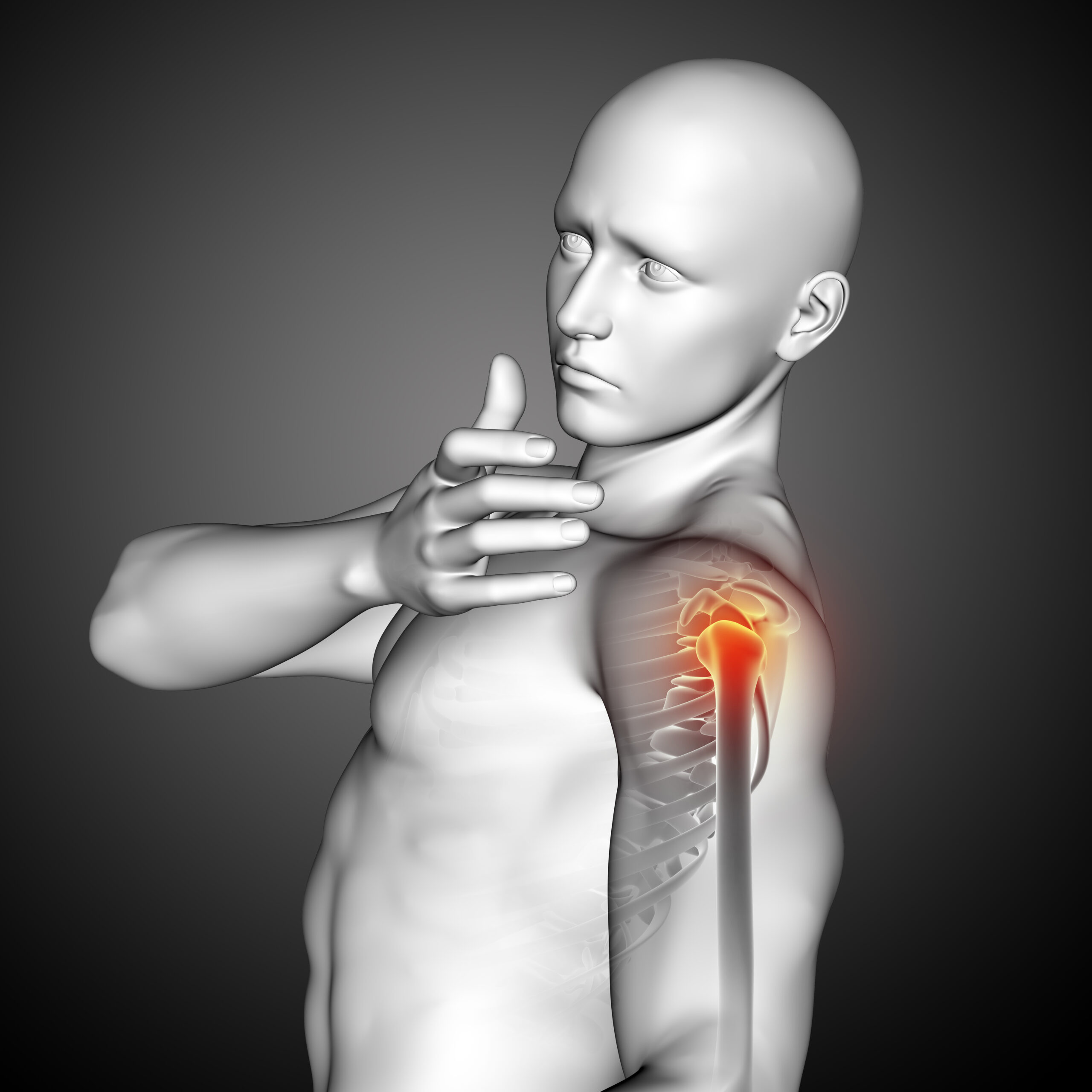
What Happens If a Shoulder Muscle Tear Goes Untreated? Return to a Pain-Free Life with Closed (Arthroscopic) Surgery
If you are experiencing shoulder pain and restricted movement, the underlying cause may be a shoulder muscle tear. Left untreated in the belief that it will “heal with time,” this condition can lead to serious loss of motion such as frozen shoulder, and to osteoarthritis of the shoulder joint over time.
As an Orthopedics and Traumatology Specialist, Prof. Dr. Murat Bozkurt, I know from many years of experience just how critical shoulder health is to quality of life. In this article, I will explain why shoulder muscle tears must be taken seriously and how you can regain your health with modern shoulder muscle tear surgery techniques.
Why Are Shoulder Muscle Tears Dangerous? Two Major Risks
Leaving a shoulder muscle tear (rotator cuff tear) untreated carries two major risks for the future of the shoulder joint:
- Frozen Shoulder: The pain caused by the tear and disuse of the joint gradually cause it to stiffen, until shoulder movement becomes nearly impossible. We call this condition “frozen shoulder” or “adhesive capsulitis,” and it is quite a difficult condition to treat.
- Shoulder Osteoarthritis: When the muscle structure that shields the shoulder joint like a shield is torn, the joint cartilage is left unprotected. This leads to wear of the cartilage and the onset of a painful osteoarthritic process.
The most effective way to eliminate these risks is to repair shoulder muscle tears early, using the correct methods.
Modern Shoulder Muscle Tear Surgery: Closed Shoulder Arthroscopy
In our clinic, we apply shoulder arthroscopy, that is, closed surgery, as the gold standard in the treatment of shoulder muscle tears. Thanks to this method:
- Minimal Incisions: We reach the inside of the joint with a camera and surgical instruments through just a few small incisions in the skin. This prevents large scars and tissue damage.
- Faster Healing: Less tissue damage means less pain after surgery and a much faster recovery process.
- Faster Return: The time it takes our patients to return to normal life and daily activities is significantly shortened.
Fixing Muscle to Bone: Biomechanical Anchors (H3)
During surgery, we use special implants to reattach the torn muscle tissue to the bone. These implants can be compared to a boat dropping anchor into the sea. Selected according to the structure of the bone and the condition of the tear, these anchors with specific biomechanical properties ensure that the muscle heals firmly onto the bone. Along with the surgeon’s experience, the quality of the materials used plays a key role in the success of the surgery.
An Innovation That Increases Success Rates: Biologic Treatments and Muscle Transfers
In recent years, we have been using biologic augmentation methods that further improve the success of our rotator cuff repair surgeries.
- Biologic Augmentation: Particularly in cases where muscle quality is poor, we accelerate biological healing by placing tissue (grafts) taken from the patient’s own body into the repair site. This method both improves muscle quality and helps the repaired muscle heal more firmly onto the bone.
- Muscle Transfers: If the muscle tissue is too deficient or weak to be repaired, we transfer healthy muscles from around the shoulder to recover coverage of the shoulder joint. This allows the patient’s shoulder movement to return to normal.
As Important as the Surgery Itself: Post-Operative Rehabilitation
It should be remembered that no matter how flawlessly shoulder muscle tear surgery is performed, the other half of success is physical therapy and rehabilitation. Through a rehabilitation program specifically planned for you after surgery, you gradually regain the range of motion and strength of your shoulder. This process is an inseparable and vital part of the overall treatment.
Don’t Postpone Your Shoulder Pain
Shoulder muscle tears are a significant health problem that seriously reduces quality of life and, if neglected, can lead to permanent problems. Thanks to modern shoulder arthroscopy techniques, quality implants, and biologic treatments, it is now possible to overcome this problem and return to a pain-free life.
Based on my experience, I can say that with early diagnosis and correct treatment, you can protect your shoulder health and prevent serious problems such as frozen shoulder and osteoarthritis.
➡️ To learn the cause of your shoulder pain and get information about treatment options tailored to you, get in touch with Prof. Dr. Murat Bozkurt.
Frequently Asked Questions (FAQ)
1. How long does shoulder muscle tear surgery (arthroscopy) take? A rotator cuff repair performed via shoulder arthroscopy usually takes between 1 and 2 hours, depending on the size of the tear and any additional procedures required.
2. How long is an arm sling used after shoulder muscle tear surgery? After surgery, wearing a special arm sling for approximately 4 to 6 weeks is generally recommended to protect the repaired muscles. This duration will be determined by your surgeon based on the type and strength of the repair.
3. When can I return to normal life after closed shoulder surgery? Patients can usually resume simple daily activities within a few days. However, more complex tasks such as driving may take a few weeks, and returning to sports or strenuous physical activity may take a few months. This process is managed with a rehabilitation program tailored to the individual.
4. Can a shoulder muscle tear heal on its own? Small, partial tears can sometimes be managed with conservative methods (medication, exercise). However, full-thickness tears, in which the muscle is completely detached from the bone, do not heal on their own and generally require surgical intervention. If left untreated, the tear can enlarge and the problem can become more complex.
Click Here to Book an Appointment Online or Call Us: 0312 502 70 74 0533 968 82 07