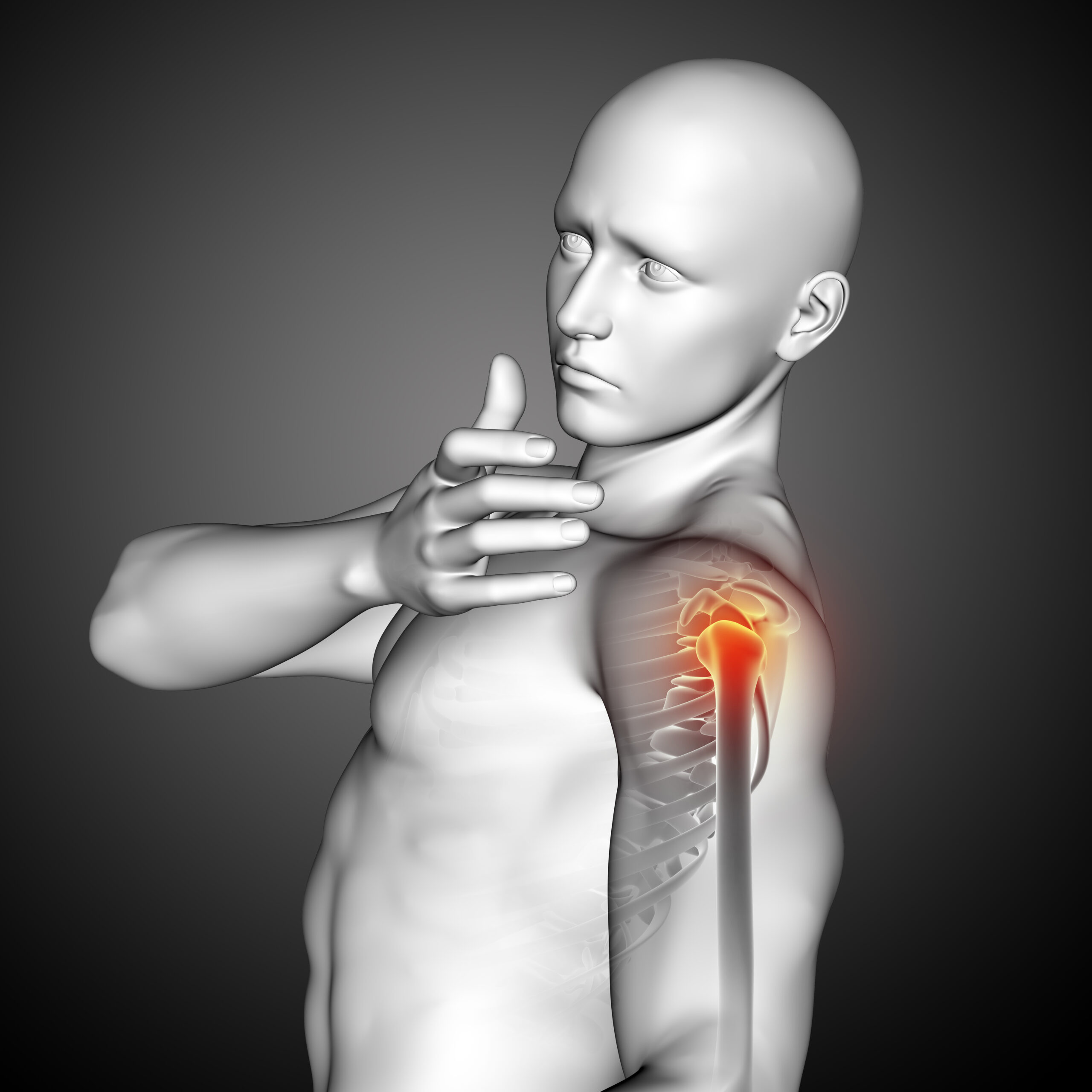
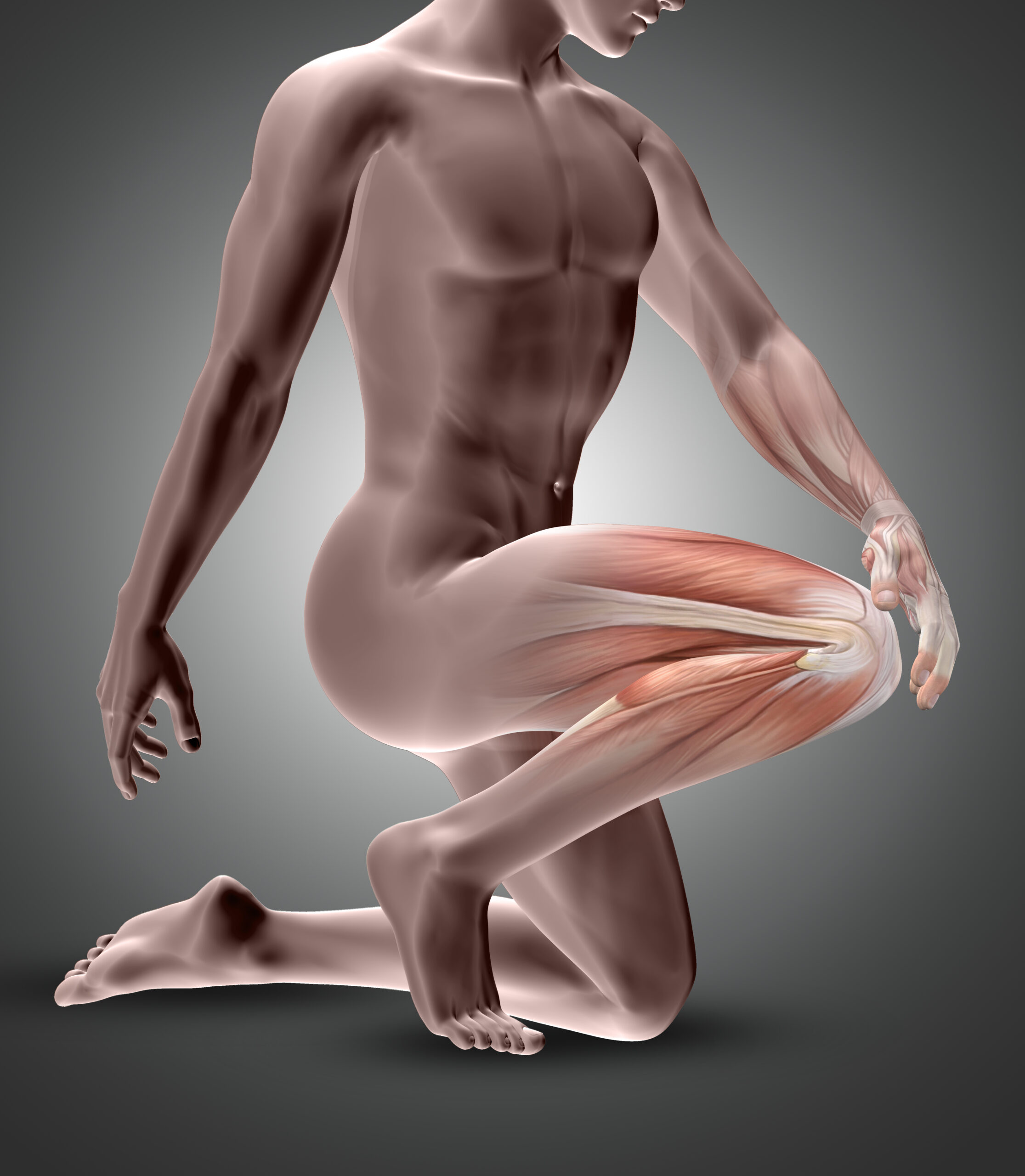
Cartilage Transplantation: The Treatment of the Future for Young Patients Told to “Wait for a Prosthesis”
You are a young patient. You have significant cartilage damage in your knee, perhaps your hip or ankle, that makes daily life impossible and turns playing sports into a distant dream. Many of the doctors you’ve seen say, “You’re too young for a prosthesis, you need to wait for now.” But doesn’t this “waiting” period mean years stolen from your quality of life?
As an Orthopedics and Traumatology Specialist, Prof. Dr. Murat Bozkurt, I have encountered many patients caught in this dilemma throughout my career. For these patients, we have modern treatment methods that we have developed and applied over the past decade. In cases of major cartilage and bone tissue loss, particularly in young patients, we offer biological solutions as an alternative to a metal prosthesis. Foremost among these solutions is cartilage transplantation (tissue transplantation).
Why Shouldn’t You Wait with Major Cartilage Damage?
The “you’ll need a prosthesis eventually” approach causes serious problems, especially for young and active patients:
- Pain and Loss of Function: The patient spends the most productive period of their life in constant pain and with limited mobility.
- Progression of Joint Damage: Untreated cartilage damage spreads over time to other healthy areas of the joint and accelerates the osteoarthritis process.
- Loss of the Chance for Biological Treatment: Once the damage has progressed too far, [suspicious link removed] may remain as the only option, and the chance for biological treatment may be lost.
The Gold Standard Treatment: Fresh Cartilage Transplantation from a Cadaver
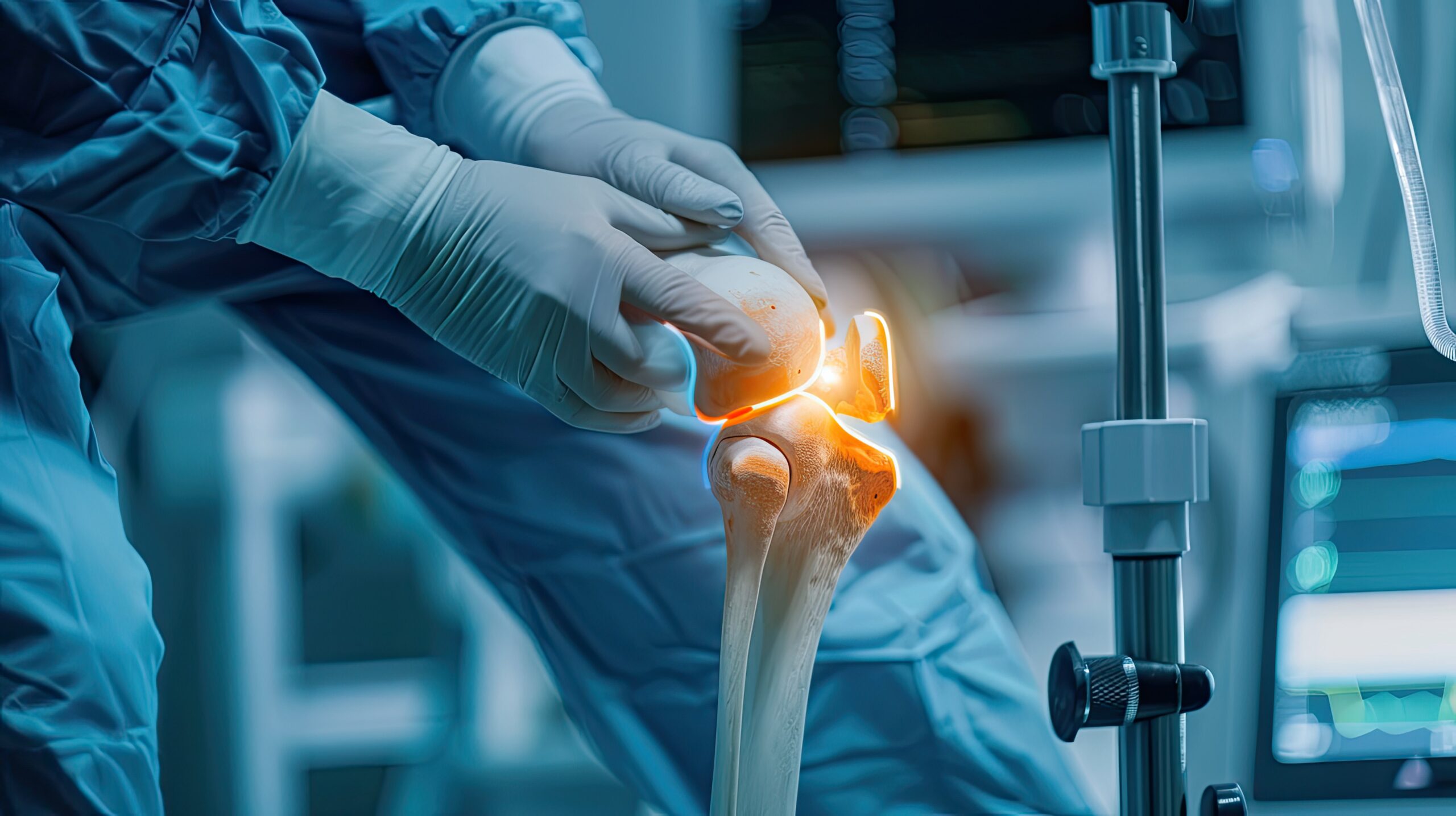
For major cartilage-bone tissue loss, based on my recent experience, the “gold standard” treatment method is fresh tissue transplantation from a cadaver. In this method, the damaged cartilage and the underlying bone tissue are replaced with healthy donor tissue.
One of the Largest Series in Our Country
At our clinic, we have successfully performed this surgery, building what is perhaps one of the largest clinical series in our country to date. This experience has shown us that the method yields excellent results not only in the knee, but also in similarly major damage in the hip, ankle, and shoulder joints.
Strengthening Healing: Support with Your Own Stem Cells
We adopt an additional innovative approach to increase the success of the treatment. We subject the fresh tissue taken from the cadaver to a special process using the patient’s own stem cells, making it far more compatible with the patient. This [suspicious link removed] support increases the body’s acceptance of the tissue and speeds up the healing process.
We have also contributed to the scientific literature by publishing the success of this method and our clinical results in respected international surgical journals.
The Future Lies in Our Own Biology: Metal Prostheses and Biological Regeneration
I believe that the medicine of the future will rely far less on metal implants and far more on the human body’s own biology. In the near future, today’s tissue banks will be replaced by far more advanced cell banks and organ banks.
The [suspicious link removed] and cell therapies we successfully apply today form the foundation of tomorrow’s comprehensive “joint transplantation” operations. Very soon, instead of replacing a worn knee joint with a metal prosthesis, we will be able to perform a biological joint regeneration produced from the patient’s own cells.
Don’t Postpone Your Quality of Life
If you have serious joint damage at a young age and have been told to “wait,” know that in modern orthopedics you are not without options. Biological treatments such as cartilage transplantation are a powerful option for freeing you from pain and returning you to an active life.
In my next article, I will share the inspiring stories of five of my patients who underwent this joint regeneration treatment and how they returned to life once again.
Remember, the future lies in our own biology.
➡️ If you are experiencing joint cartilage damage and would like detailed information about biological solutions as an alternative to a prosthesis, you can contact Prof. Dr. Murat Bozkurt.
Frequently Asked Questions (FAQ) Section
1. What is cadaveric cartilage transplantation? Cadaveric cartilage transplantation (or osteochondral allograft) is a surgical procedure in which cartilage and the underlying bone tissue damaged in a joint are replaced with fresh tissue taken from a healthy donor (cadaver).
2. Is there a risk of the body rejecting the transplanted tissue? Cartilage tissue is avascular (contains no blood vessels) and is largely isolated from immune system cells. For this reason, the risk of the body rejecting cartilage tissue transplanted from a cadaver is extremely low.
3. Who is cartilage transplantation suitable for? This treatment is generally an ideal option for active patients who have major, deep cartilage damage for which other methods have failed, but who are considered “too young” for [suspicious link removed].
4. What is the recovery process like after cartilage transplantation surgery? The recovery process differs from traditional prosthesis surgeries and relies on biological healing. Patients generally must avoid putting full weight on the affected joint for a period after surgery (usually 6-8 weeks). A comprehensive and disciplined physical therapy and rehabilitation process is essential for success.
Click Here to Book an Appointment Online or Call Us: 0312 502 70 74 0533 968 82 07