Anterior Cruciate Ligament (ACL) Injuries and Treatment: Is a Safe Return to Sports Possible?
While sports are an indispensable part of our lives, joint injuries can unfortunately be inevitable. Among the problems affecting the knee joint in particular, anterior cruciate ligament (ACL) injuries are a condition we encounter quite frequently. Whether you are a professional athlete or an amateur who plays football for weekend enjoyment, the first question that comes to mind after that sudden sound or feeling of give in your knee is: “Will I be able to play sports again?”
As Prof. Dr. Murat Bozkurt, I have performed over 5,000 anterior cruciate ligament surgeries in my 32-year professional career. With this experience, I can say that yes, with the right treatment and rehabilitation process, a safe return to sports is absolutely possible. In this article, I will explain everything you want to know about [suspicious link removed] from a patient-centered perspective.
What Is the Anterior Cruciate Ligament and Why Is It So Important?
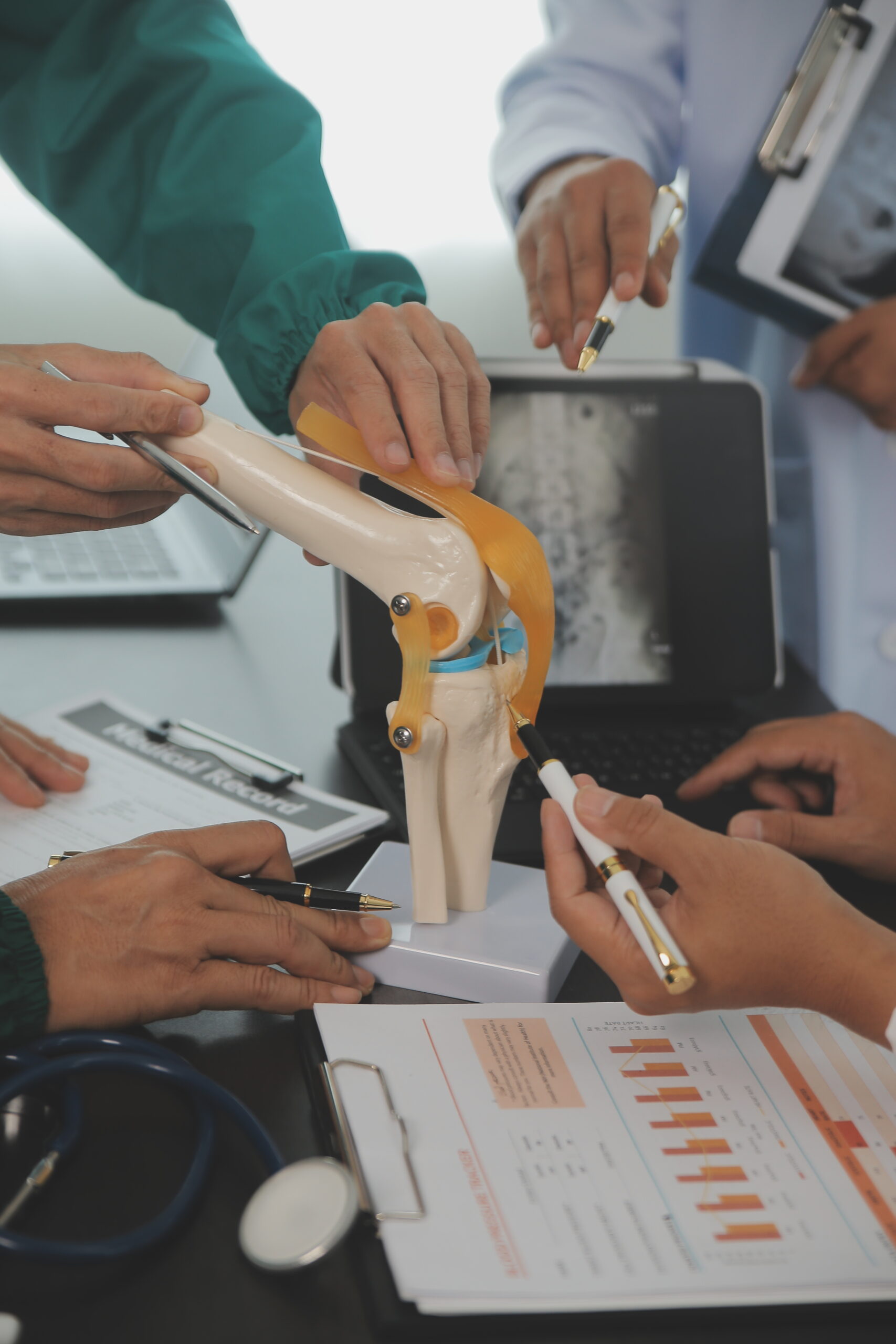
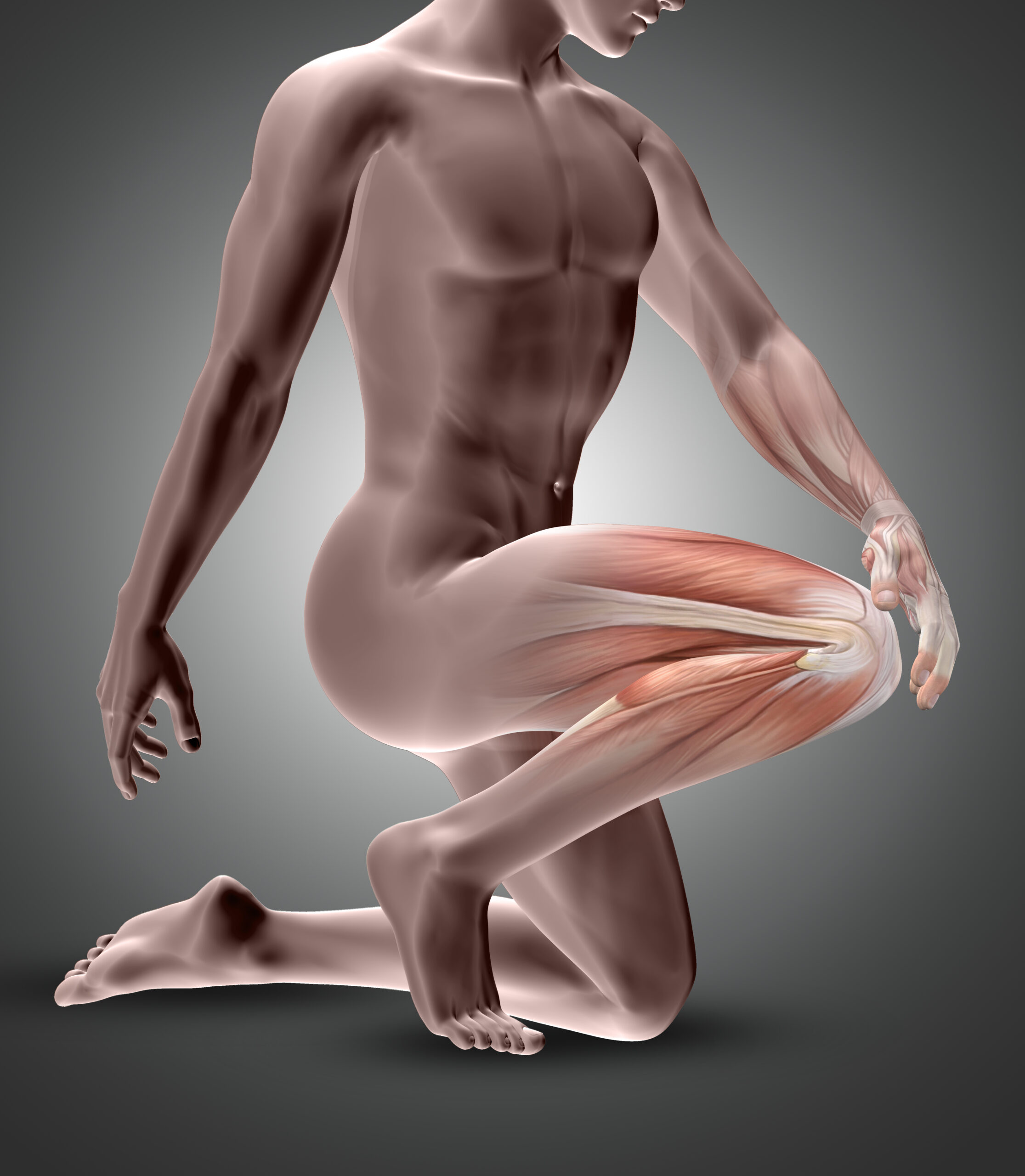
The anterior cruciate ligament (ACL) is a critical structure located in the center of the knee joint that connects the thigh bone (femur) to the shin bone (tibia). Its main function is to prevent uncontrolled forward movement of the knee and to provide stability during rotational movements.
Without this ligament, the knee “gives way” or “rotates,” especially during movements such as sudden stops, jumps, or changes in direction. This not only ends your sporting performance but also, in the long term, paves the way for osteoarthritis in the knee by causing additional problems such as meniscus tears and [suspicious link removed]. For this reason, the integrity of the anterior cruciate ligament is vital for protecting the health of the knee joint.
Who Is Most Commonly Affected by Anterior Cruciate Ligament Injuries?
ACL tears usually occur during sudden changes in direction, an abrupt reverse movement while slowing down, or an uncontrolled landing after a jump. The profile of patients who come to our clinic with this complaint is quite broad:
- Professional and amateur footballers
- Basketball and volleyball players
- Skiing enthusiasts
- Professional dancers
- People who have experienced trauma such as falls or traffic accidents
Modern Approaches to Anterior Cruciate Ligament Treatment
Listening to our patients’ expectations and goals during our first consultation is the most important step for us. The desire to return to an active life is the main motivation that shapes our treatment plan. Today, the surgical methods we use for anterior cruciate ligament treatment include modern techniques that both make our work easier and offer our patients safe, long-term success.
Arthroscopic Surgery: The Gold Standard
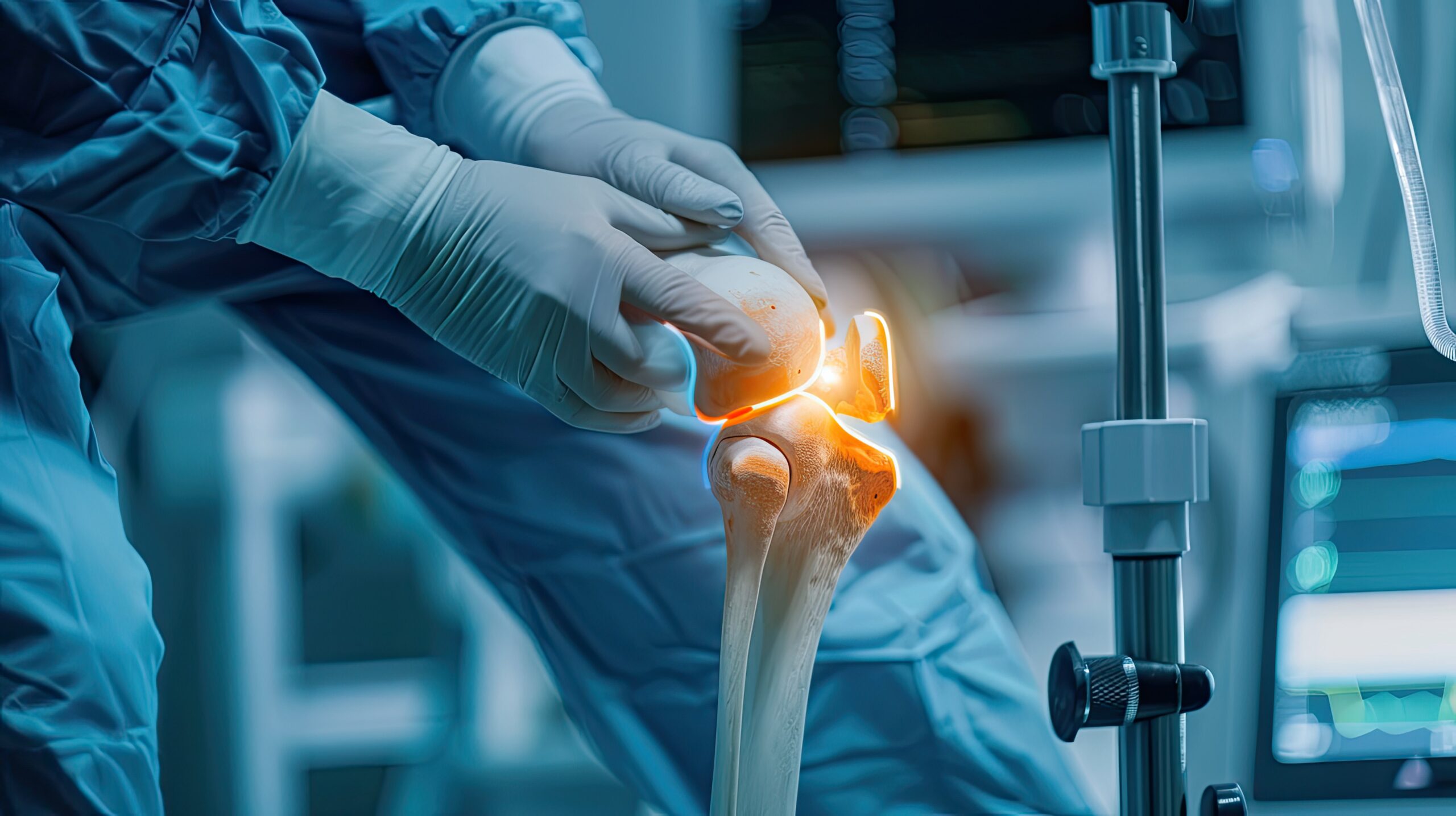
At our clinic, we perform anterior cruciate ligament surgeries using the arthroscopic (closed) method. With this technique, instead of making a large incision in the knee joint, we complete the procedure by entering through small holes with a camera and surgical instruments. This allows our patients to experience less pain, reduces the risk of infection, and results in a much faster recovery process.
Graft Selection and Safe Implants
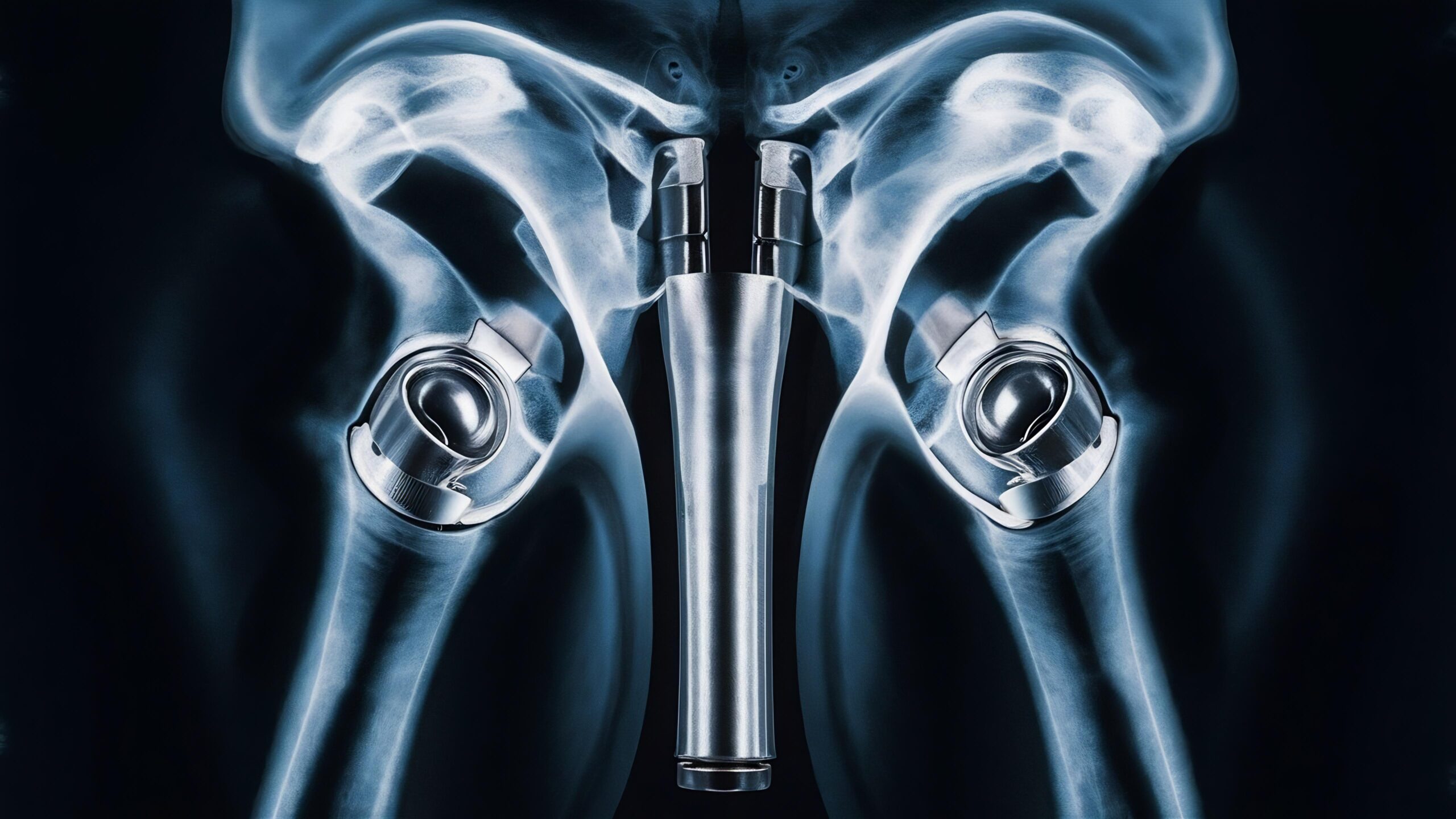
In place of the torn anterior cruciate ligament, we use tissue that we call a “graft,” taken from another part of the body. These grafts can be taken from the patient’s own body (autograft). The modern, biocompatible implants (screws, buttons) we use during surgery ensure that this new ligament attaches securely to the bone. These materials are a critical parameter for the long-term success of the treatment.
Is Anterior Cruciate Ligament Repair Possible?
In certain suitable cases, instead of completely reconstructing the ligament, it is also possible to repair it by suturing it back to the bone at the point where it tore. This decision is made based on the type and location of the tear and the time elapsed since the injury.
The 4 Golden Rules Behind Surgical Success
In my experience, the success of anterior cruciate ligament surgery does not depend on the operation alone. Four elements must come together for a perfect outcome:
- Correct Graft Selection: Determining the graft best suited to the patient’s age, activity level, and expectations.
- Excellent Surgical Technique: Placing the ligament in the anatomically correct position and with the correct tension.
- Treatment of Additional Injuries: Simultaneously addressing additional problems identified during surgery, such as [suspicious link removed] or cartilage damage.
- Personalized Rehabilitation: Just as important as the surgery itself is a personalized rehabilitation program carried out with expert physiotherapists.
Conclusion: The Goal Is Not Just to Heal, but to Improve Quality of Life
Every patient has a story, and our goal is to help that story continue in good health from where it left off. An anterior cruciate ligament injury does not have to mean the end of your sporting life. With the right diagnosis, skilled surgery, and a physical therapy process carried out with determination, the vast majority of our patients confidently return to their active lives and sports.
Remember, our fundamental goal is not just to repair a torn ligament, but to protect the knee joint as a whole and ensure that you live a healthy, pain-free, and high-quality life in the long term.
To get more detailed information about your anterior cruciate ligament injury or other knee treatments, and to learn about treatment options tailored to you, you can contact us.
5. Frequently Asked Questions (FAQ) Section:
Q1: When can I return to sports after anterior cruciate ligament surgery? A: The return-to-sports process is specific to each individual and varies depending on the surgical technique used. Generally, a return to straight-line running is possible around 3-4 months, while a return to full-capacity sports and competition takes an average of 6-9 months, with approval from the doctor and physiotherapist.
Q2: Can an anterior cruciate ligament tear heal without surgery? A: The anterior cruciate ligament has very little potential to heal on its own. Surgical treatment is the gold standard for regaining knee stability, especially in individuals who lead an active lifestyle and play sports. In older patients with a more sedentary lifestyle, non-surgical treatments may be considered.
Q3: Is physical therapy mandatory after surgery? A: Yes, it is absolutely mandatory. Physical therapy and rehabilitation is one of the most important factors directly affecting the success of the surgery. This process is critical for regaining muscle strength, increasing joint range of motion, and fully restoring the function of the knee.
Click Here to Book an Online Appointment or Call Us: 0312 502 70 74 0533 968 82 07