Robotic Hip Replacement: End Your Pain with Technology
Hip pain that turns walking, sitting down, standing up, and even sleeping at night into a struggle is a problem that seriously reduces quality of life. When hip osteoarthritis, the most common cause of this pain, progresses, the solution is usually hip replacement surgery. So what is robotic hip replacement, the new frontier in surgery, and what advantages does it offer over traditional methods?
In this article, we will explain in full detail the latest technology in hip replacement surgery, robotic systems: how they work, who they are suitable for, and how they can offer you a more comfortable future.
The Leading Cause of Hip Pain: Hip Osteoarthritis
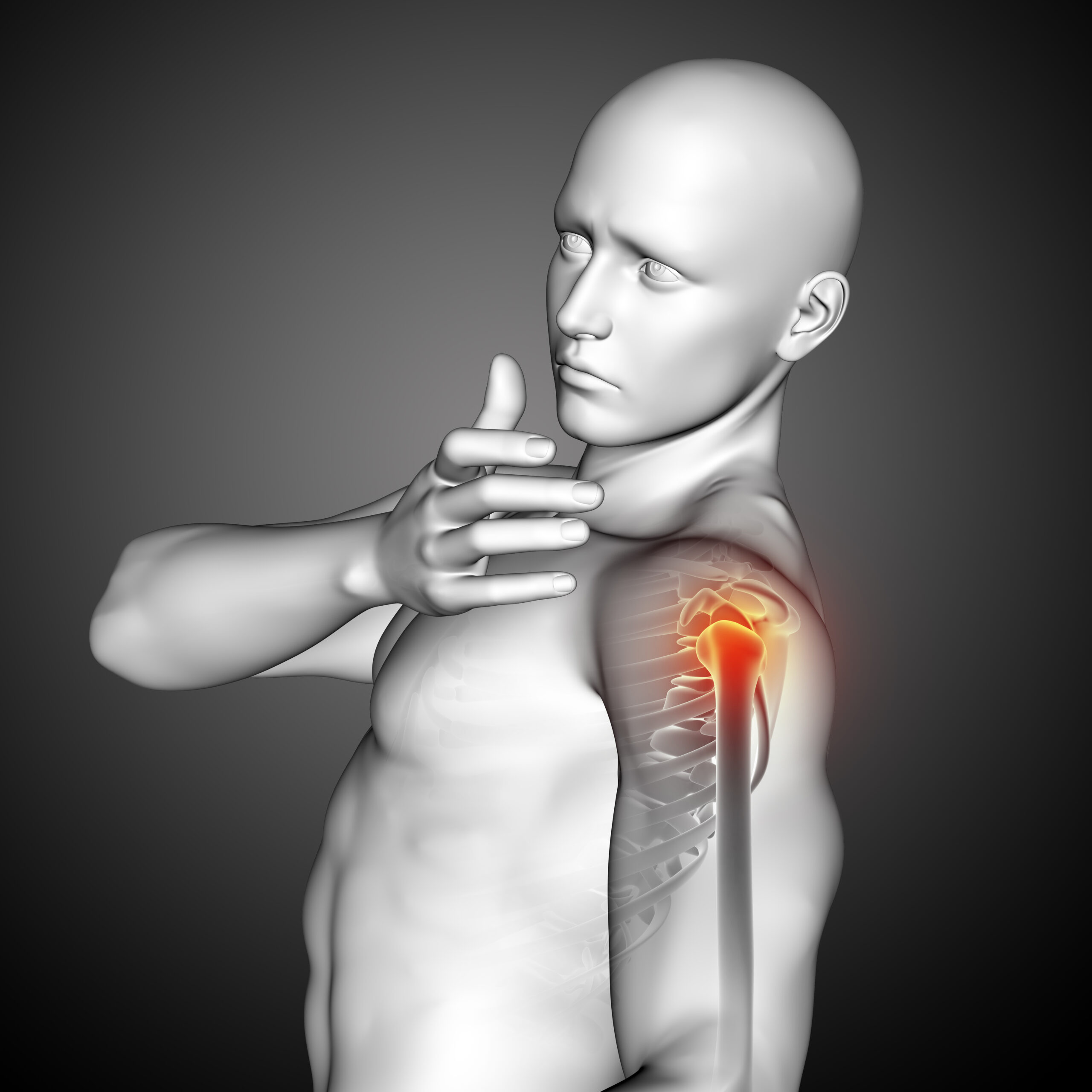
First, it is important to understand the source of the problem. The hip joint is shaped like a ball (the femoral head) and socket (the acetabulum), and the surfaces of these structures are covered with smooth cartilage tissue. Hip osteoarthritis is the gradual wearing down and deterioration of this cartilage tissue. Once the cartilage is lost, the bones begin to rub against one another, and this leads to;
- Severe pain,
- Restricted movement,
- Morning stiffness,
- Limping while walking.
While methods such as medication, physical therapy, and injections can be helpful in the early stages, the permanent solution for advanced osteoarthritis is generally total hip replacement surgery.
What Is Robotic Hip Replacement? A New Era in Surgery
Robotic hip replacement is an advanced surgical method that combines the surgeon’s experience with the millimeter-level precision of robotic technology.
One important point must be emphasized: the robot does not perform the surgery. The surgery is still carried out by an orthopedic surgeon who is an expert in the field, who uses the robotic arm essentially as a highly precise surgical instrument.
The system works as follows:
- 3D Preoperative Planning: Before the operation, a CT scan of the patient’s hip joint is taken to create a 3D digital model. On this model, the surgeon selects the ideal prosthesis size for the patient and plans, down to the millimeter, the correct angles and exact placement.
- Precise Guidance During Surgery: During the operation, the robotic system ensures that this plan is followed precisely. It guides and alerts the surgeon if the instruments move outside the planned boundaries. This reduces the margin of error to almost zero.
Image Suggestion: A professional photograph showing the surgeon at the control console with the robotic arm positioned over the patient, combining technology and expertise.
What Are the Advantages of Robotic Hip Replacement Over Traditional Methods?
This millimeter-level precision offered by robotic surgery provides many tangible benefits for the patient:
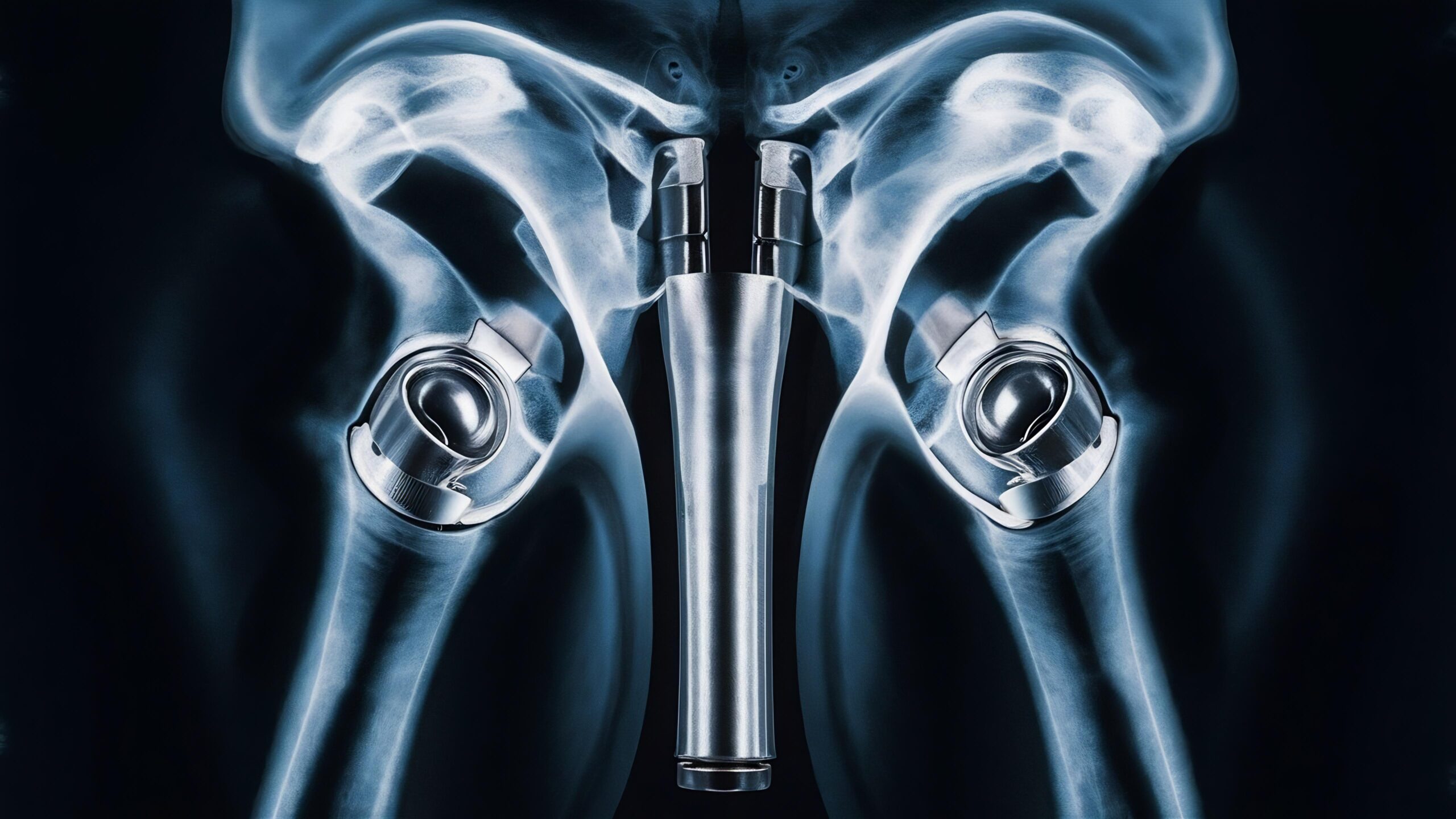
- Optimal Implant Placement: Placing the prosthesis at the most accurate angle and position extends its lifespan and provides a more natural feel to the hip.
- Tissue Preservation: Since only the damaged bone tissue is removed, the surrounding healthy bone and soft tissues are preserved to the maximum extent.
- Reduced Risk of Complications: Risks that can occur after traditional surgery, such as leg length discrepancy and prosthesis dislocation, are significantly reduced.
- Faster Recovery: Less tissue damage means less blood loss and less pain. This allows the patient to get back on their feet and return to normal life more quickly.
Robotic Hip Replacement Surgery in Ankara
Robotic surgery requires advanced technology and a surgical team specially trained to use it. In Ankara, by making the most of all the advantages robotic technology offers in hip replacement surgery, our goal is to provide our patients with the safest and most comfortable treatment experience. You can find out more about the robotic surgery performed at our center in Ankara.
Frequently Asked Questions (FAQ)
1. Who is a suitable candidate for robotic hip replacement surgery? Most patients with advanced hip osteoarthritis who have not benefited from medication and other treatments, and who have no other health condition preventing surgery, are suitable candidates for this technology. You can make the most accurate decision after a consultation with your doctor.
2. How long does a hip replacement last? Modern prostheses produced with today’s technology, especially those placed with the precision of robotic surgery, can last more than 20-25 years.
3. What is the recovery process like after surgery? Patients are usually helped to stand up the day after surgery. The average hospital stay is 2-3 days. After returning home, a physical therapy and rehabilitation program plays a critical role in helping you regain your strength and range of motion.
Conclusion: Reclaim Your Freedom of Movement
Hip pain is not a fate that requires putting life on hold. Robotic hip replacement surgery combines the experience of expert surgeons with the flawless precision of technology to open the door to a pain-free, active, and free life.
Contact us to learn more about your hip pain and robotic surgery, and to discuss together the most suitable treatment option for you.
Click Here to Book an Online Appointment or Call Us: 0533 968 82 07 / 0312 502 70 74