Anterior Knee Pain Is Not Your Destiny: Everything About Kneecap Surgery
The ache you feel in the front of your knee when going down stairs, the pain that starts when you stand up after sitting for a long time, or a sudden kneecap dislocation during sports… These complaints are signs of a condition known as “anterior knee pain,” which negatively affects the quality of life of many people. So, what is the source of this pain, and when should a surgical solution be considered?
In this article, we will take a detailed look at the kneecap (patella) joint, the common problems that cause pain, and the modern treatment methods offered through kneecap surgery.
At the Heart of the Problem: What Is the Kneecap (Patella) Joint?
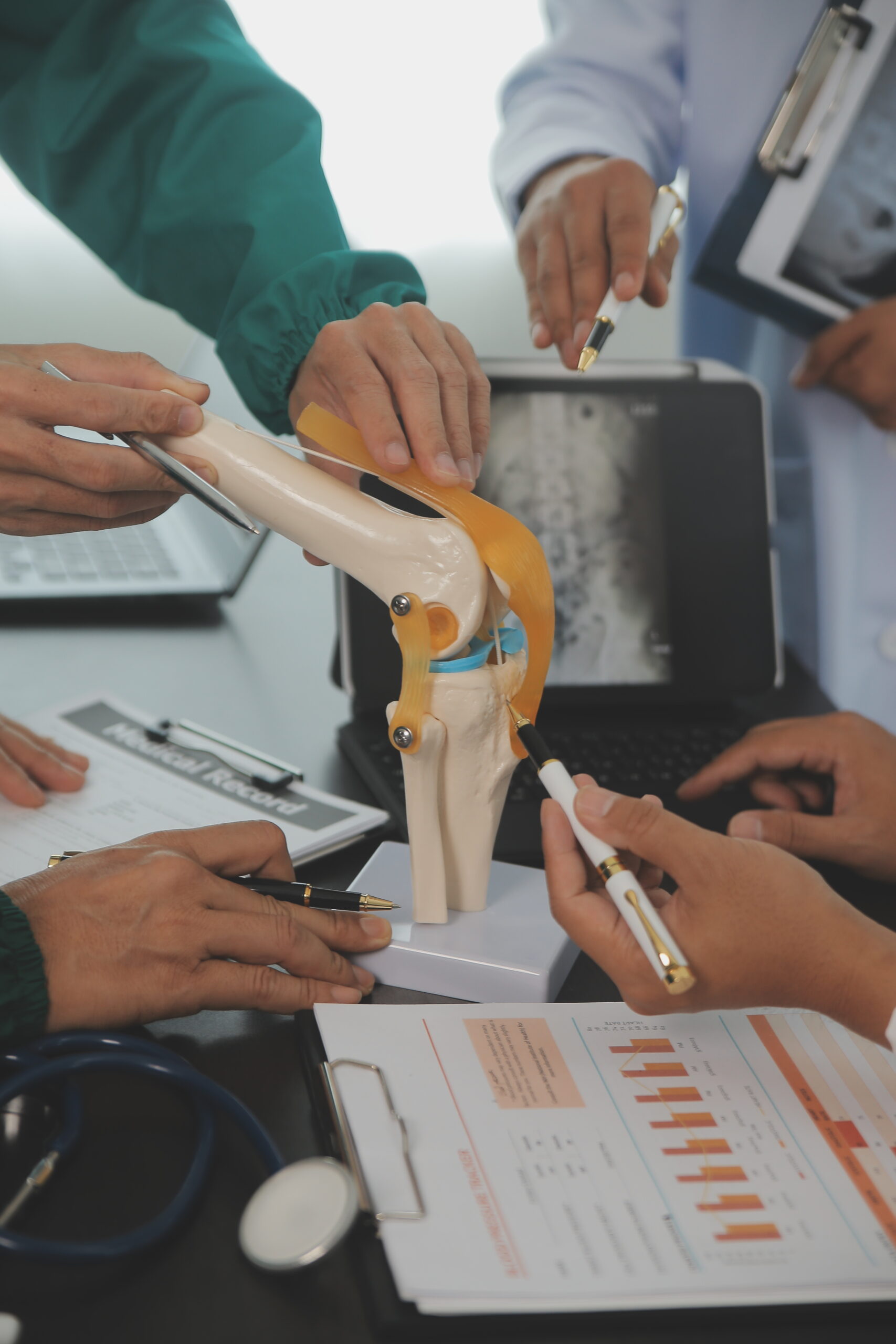
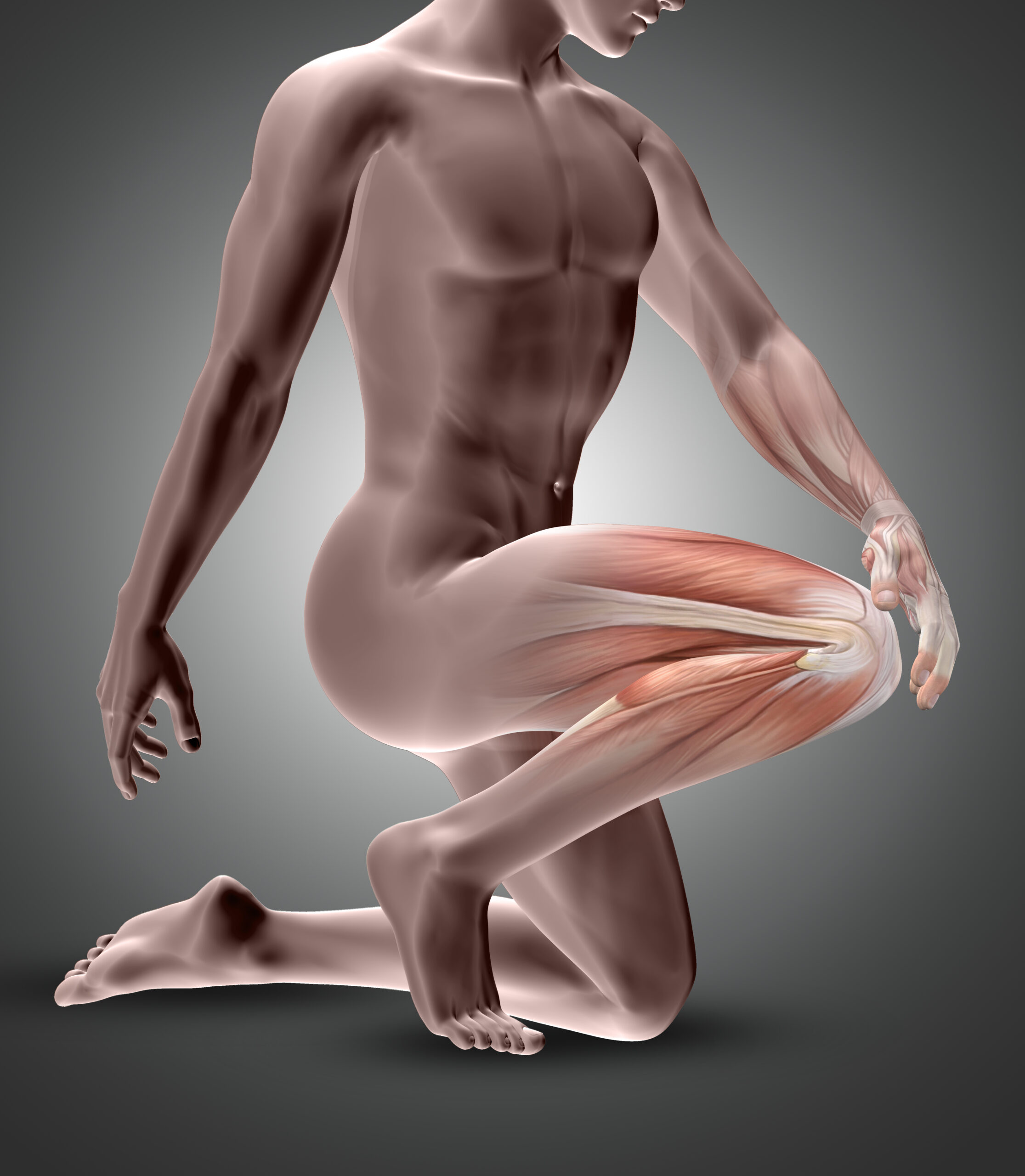
Our kneecap, or patella, is a mobile bone located within the tendon that connects the large muscle group at the front of our leg (the quadriceps) to our shin bone. It moves up and down within a special groove at the front of the thigh bone (femur), allowing us to bend and straighten our leg. When this coordinated movement is disrupted, pain and functional problems begin.
What Are the Common Problems That Cause Kneecap Pain?
Conditions that may require kneecap surgery are usually persistent problems that do not respond to non-surgical treatments. The most common of these include:
- Patellofemoral Pain Syndrome (Runner’s Knee): A common cause of pain resulting from overuse or malalignment of the cartilage beneath the kneecap.
- Chondromalacia Patella: Softening and wear of the joint cartilage beneath the kneecap. It is often one of the underlying causes of anterior knee pain.
- Recurrent Kneecap Dislocations (Patellar Instability): This occurs when the kneecap shifts sideways out of the groove it should sit in. After the first dislocation, the risk of recurrence increases, leading to both ligament damage and cartilage wear.
- Patella Fractures: Traumatic injuries resulting from a fall or a direct blow.
These problems are initially managed with non-surgical methods such as rest, ice, exercise, and physical therapy. However, when these treatments fail or the problem stems from a structural issue, surgical intervention may become unavoidable.
What Are the Modern Kneecap Surgery Methods?
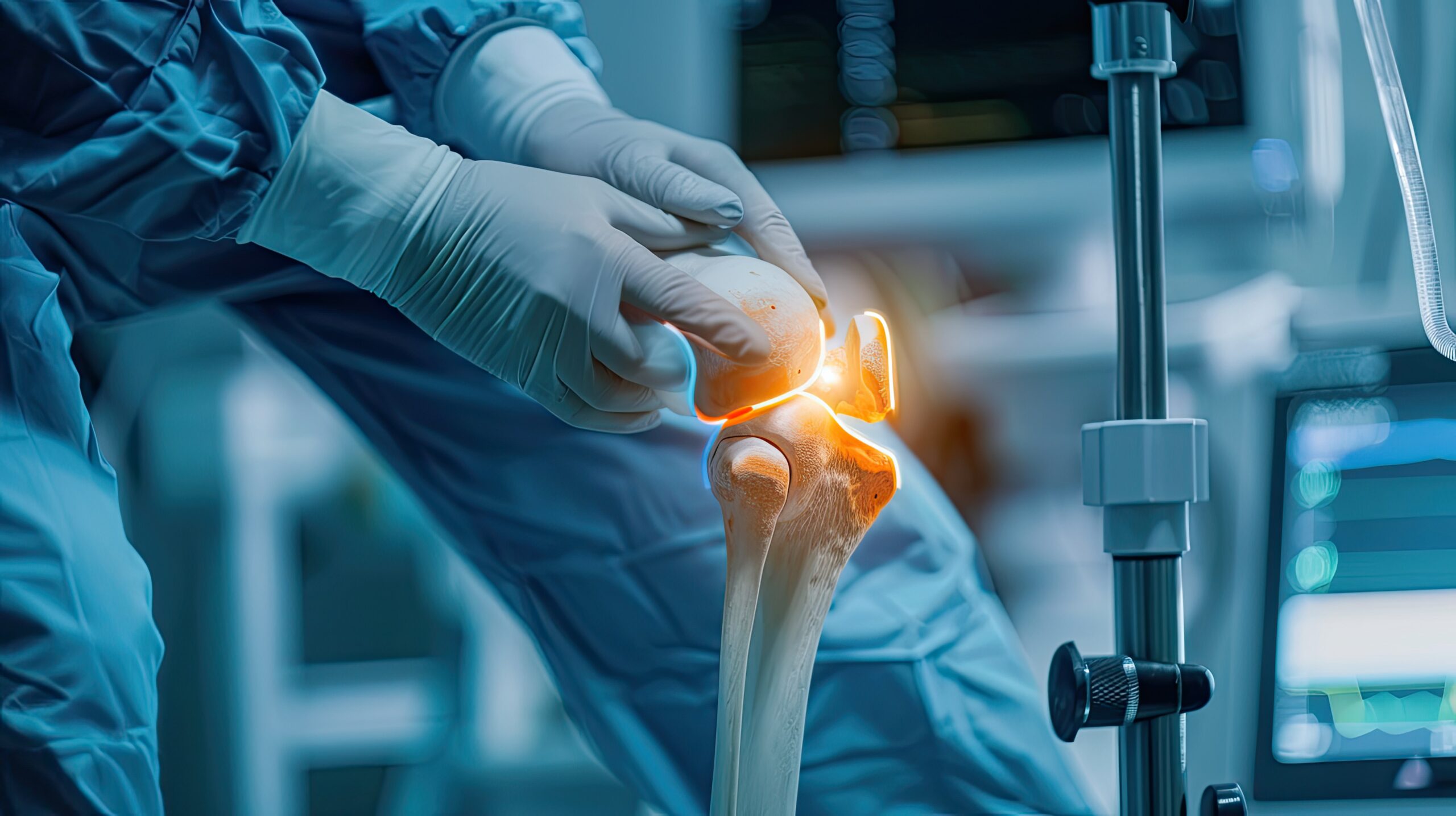
Kneecap surgery encompasses a range of procedures planned individually to address the source of the problem. The goal is to eliminate pain, restore the stability of the kneecap, and help the patient regain function.
- Arthroscopic Surgery (Minimally Invasive Surgery): Used to smooth irregularities on the cartilage surfaces, remove damaged tissue, or release the tight ligament (lateral retinaculum) that pulls the kneecap sideways. Arthroscopic surgery involves small incisions, so recovery is considerably faster.
- MPFL Reconstruction: This is the gold standard treatment for recurrent kneecap dislocations. The Medial Patellofemoral Ligament (MPFL), the most important ligament preventing the kneecap from shifting toward the inner side, is reconstructed using a tendon taken from another part of the body. This permanently restores the stability of the kneecap.
- Cartilage Repair Techniques: In cases of advanced cartilage damage, specialized procedures may be applied that either stimulate cartilage regeneration or involve transplanting cartilage to the damaged area.
The choice of the correct surgical technique is determined following a detailed physical examination and imaging methods (MRI, X-ray, etc.) performed by an expert orthopedics and traumatology surgeon.
Kneecap Surgery and Treatment in Ankara
Kneecap problems are a complex field requiring accurate diagnosis and individualized treatment planning. Led by an expert knee surgeon in Ankara, our team uses the most up-to-date surgical techniques to help our patients regain pain-free freedom of movement.
Frequently Asked Questions (FAQ)
1. Does every kneecap dislocation require surgery? No. A first-time dislocation is usually treated with physical therapy and protective measures. However, if the dislocation recurs, it indicates an underlying ligament laxity or anatomical problem, and surgery (MPFL reconstruction) is generally recommended.
2. How long does recovery take after kneecap surgery? The recovery process varies depending on the type of surgery performed. While patients can return to their normal lives within a few weeks after a simple arthroscopic procedure, returning to sports after more extensive surgeries such as MPFL reconstruction can take several months. Physical therapy is the most important part of this process.
3. Will my pain completely go away after surgery? The primary goal of kneecap surgery is to eliminate pain and restore function. With the correct technique and an individually planned procedure, success rates are quite high.
Conclusion: Do Not Give In to the Pain, Take Action
Anterior knee pain and kneecap problems are conditions that reduce your quality of life but are not without a solution. Consulting a specialist to accurately understand the cause of your problem and determine the most appropriate surgical or non-surgical treatment path is the most important step to take.
Don’t let the pain in your kneecap keep interfering with your daily life any longer. To discuss a detailed evaluation and treatment options tailored to you, immediately get in touch with us.
Click Here to Book an Online Appointment or Call Us: 0312 502 70 74 0533 968 82 07