A sudden pain in your knee, a catching sensation you feel while climbing stairs, or difficulty when squatting… These symptoms can seriously reduce your quality of daily life. One of the common causes behind these complaints is often a meniscus tear. So, what exactly is the meniscus, which is so important for our knee, and what is the most appropriate treatment approach in the case of a tear?
In this article, we will discuss in detail everything you want to know about the meniscus, the latest treatment methods, and the steps you need to take to regain your knee health.
What Is the Meniscus? Getting to Know This Important Structure in Our Knee
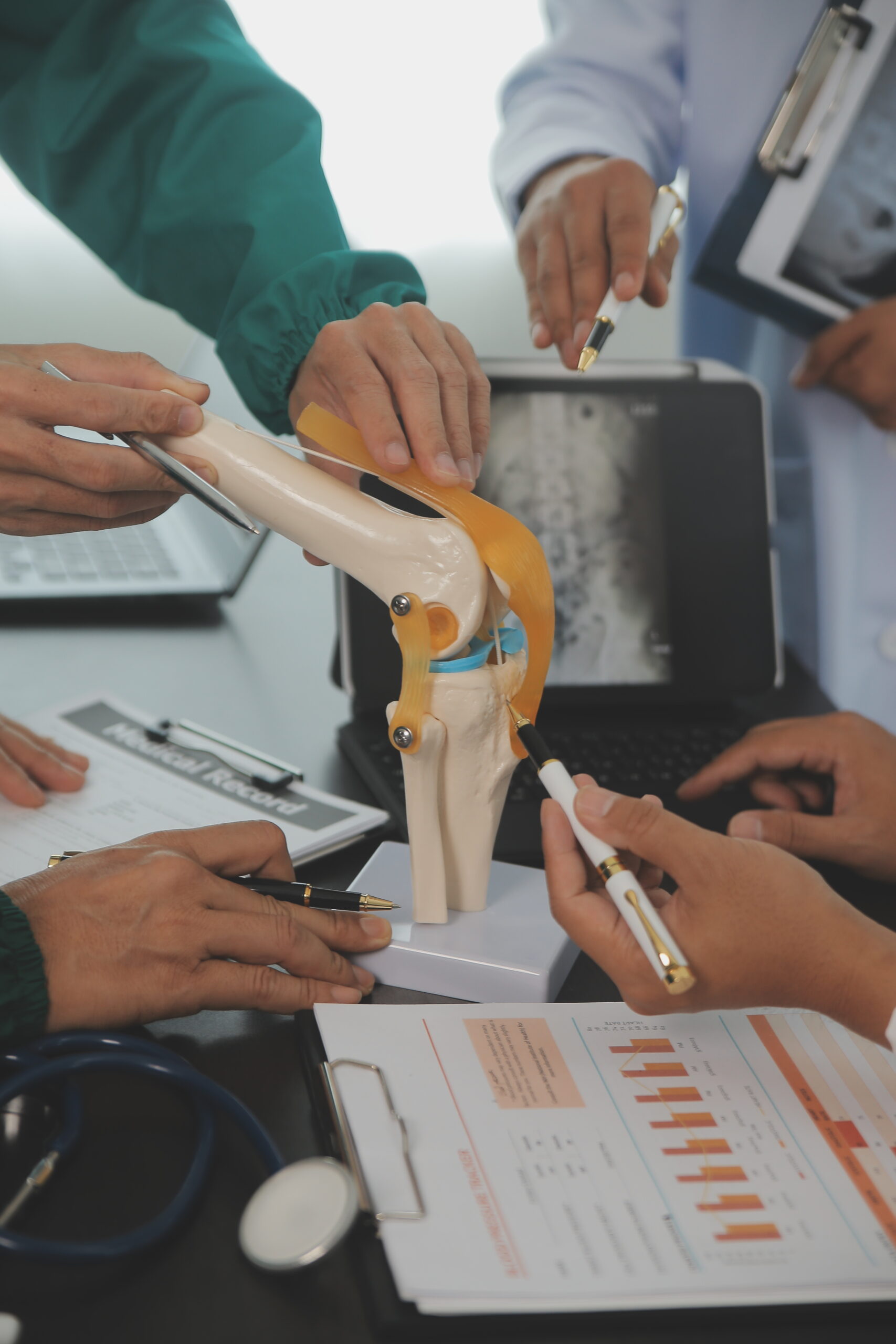
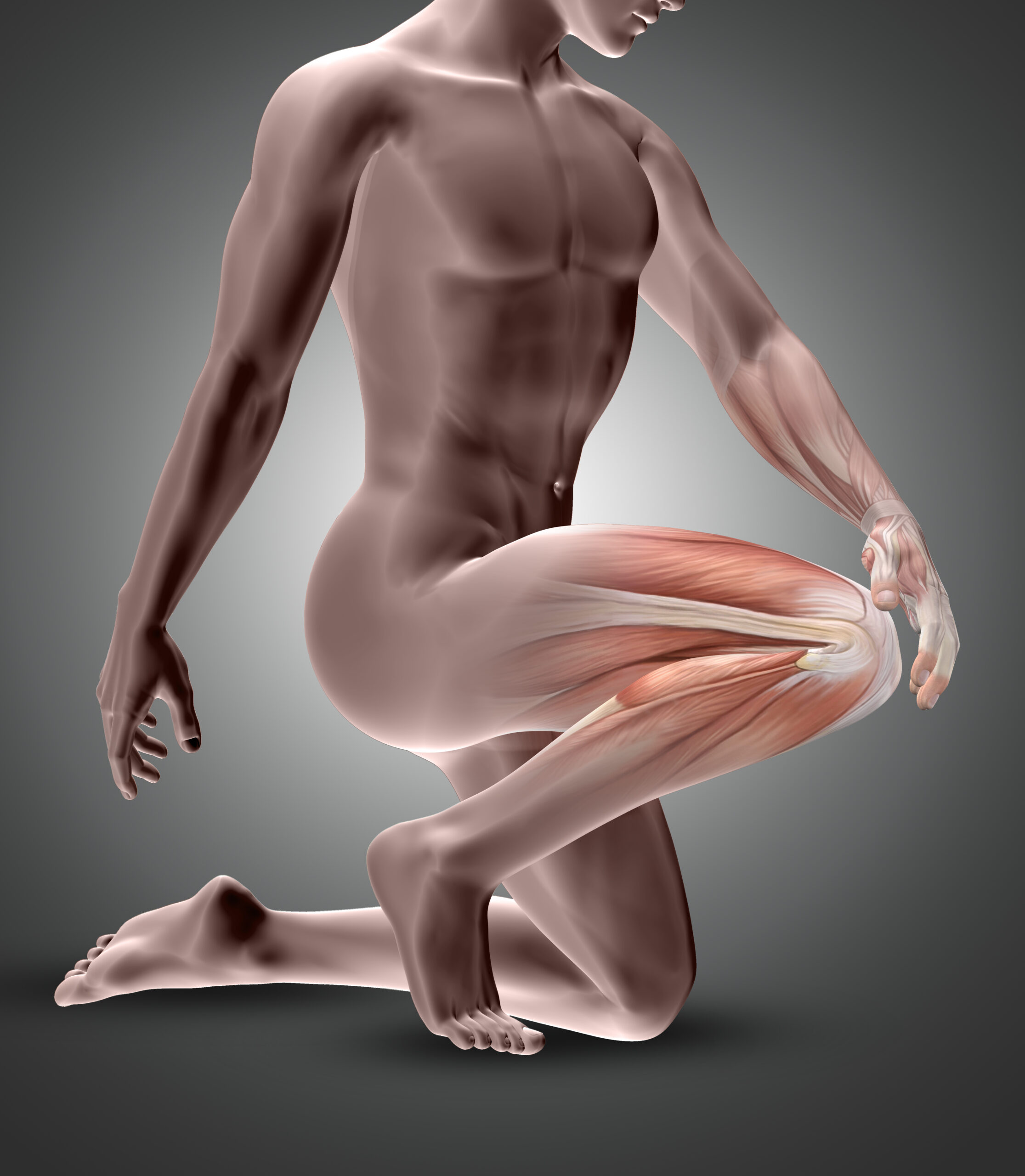
The menisci are C-shaped, cartilage-like flexible structures located in the knee joint between the shin bone (tibia) and the thigh bone (femur). Each knee has two menisci, one on the inner (medial) side and one on the outer (lateral) side.
The main functions of the menisci are as follows:
- Shock Absorption: They absorb the load placed on the knee during activities such as walking and running, and distribute pressure evenly.
- Stability: They increase joint congruity and contribute to the stability of the knee.
- Joint Fluid Distribution: They help distribute joint fluid, which nourishes the articular cartilage.
In short, the menisci are vital cushions that allow our knee to move in a healthy and pain-free manner.
What Causes a Meniscus Tear and What Are Its Symptoms?
Meniscus tears generally result from two main causes:
1. Traumatic Tears (Common in Young and Active Individuals)
These occur as a result of sudden stopping, changing direction in sports such as football and basketball, or a direct blow to the knee. The most common mechanism is a sudden twisting of the body over the knee while the foot is planted on the ground.
2. Degenerative Tears (More Common in Older Age)
With age, meniscus tissue loses its flexibility and durability. In this case, even a simple squatting motion or the act of standing up from a chair can cause the meniscus to tear.
So, how do you know if you have a meniscus tear? Here are the most common symptoms:
- A “popping” sound from the knee at the moment of the tear
- Pain and swelling (usually becomes noticeable within 24 hours)
- A sensation of locking or catching in the knee
- Inability to fully bend or straighten the knee
- A feeling of instability or the knee giving way when bearing weight
If you are experiencing one or more of these symptoms, it is important to consult an orthopedics and traumatology specialist for an accurate diagnosis.
What Is Meniscus Repair and Why Is It Important?
In the past, meniscectomy surgery, in which the torn portion was removed, was a common treatment for meniscus tears. However, the modern orthopedic approach is to preserve and repair the meniscus whenever possible. This is because removing the meniscus disrupts the knee’s load distribution over the long term, significantly increasing the risk of osteoarthritis.
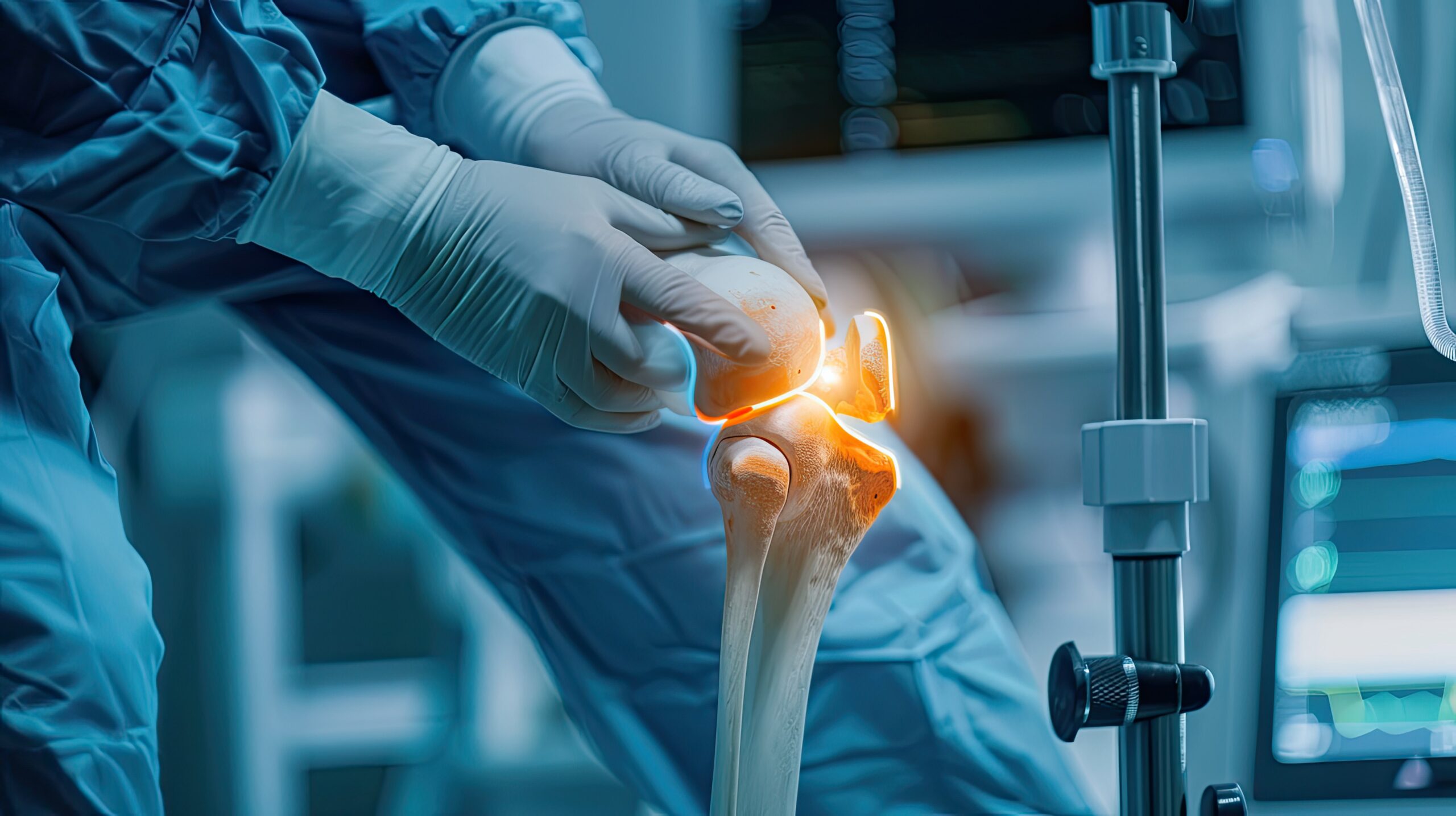
Meniscus repair is a surgical procedure usually performed using an arthroscopic (closed) technique. In this method, a camera and specialized surgical instruments are inserted through small incisions in the knee, and the torn meniscus tissue is repaired with special sutures.
Advantages of Meniscus Repair:
- Preserves Knee Function: The natural shock-absorbing and stabilizing structure of the knee joint is preserved.
- Reduces the Risk of Osteoarthritis: It preserves knee health in the long term and may delay the need for a knee replacement.
- Enables a Return to an Active Life: It is the ideal solution, especially for athletes and young patients.
Not every tear is suitable for repair. Factors such as the type and location of the tear, along with the patient’s overall condition, are evaluated by an orthopedic specialist specializing in meniscus treatment in Ankara to determine the most appropriate treatment decision.
Meniscus Treatment in Ankara: Which Method Is Right for You?
Once a meniscus tear is diagnosed, a personalized treatment plan is developed.
- Non-Surgical Treatment: For small, stable tears, methods such as rest, ice application, bandaging, and physical therapy may be tried.
- Surgical Treatment: For large tears that cause locking in the knee and do not respond to non-surgical methods, arthroscopic surgery is the most effective solution.
If you live in Ankara and suspect you have a meniscus tear in your knee, a detailed examination by our expert team is the first step toward an accurate diagnosis and treatment.
Frequently Asked Questions (FAQ)
1. Can a meniscus tear heal on its own? Because the meniscus has very limited blood supply, most tears cannot heal on their own. Tears that cause mechanical symptoms (such as locking or catching) in particular require surgical intervention.
2. How long does arthroscopic meniscus surgery take? Depending on the type of procedure and the size of the tear, it usually takes between 30 and 60 minutes. For more information, you can review our areas of expertise.
3. When can I walk after meniscus surgery? This varies depending on the procedure performed, but patients can generally start walking with crutches on the same day or the next day. If meniscus repair was performed, patients may be asked to avoid putting full weight on the knee for a period of time to allow the sutures to heal. Physical therapy is the most important part of this process.
Conclusion: Don’t Delay Your Knee Pain
The meniscus is one of the cornerstones of knee health. If you experience these symptoms, not taking the situation lightly and consulting a specialist for a timely and accurate diagnosis will prevent you from facing more serious problems in the future. Thanks to modern arthroscopic techniques, meniscus repair, with high success rates, can preserve your knee and return you to an active, pain-free life.
Don’t neglect your knee health. To get detailed information about meniscus tears and other knee problems, and to learn the most suitable treatment method for you, contact us right away.
Click Here to Book an Online Appointment or Call Us: 0312 502 70 74 / 0533 968 82 07