Shoulder Cartilage Damage Is Not Your Fate: End the Pain with Modern Surgery
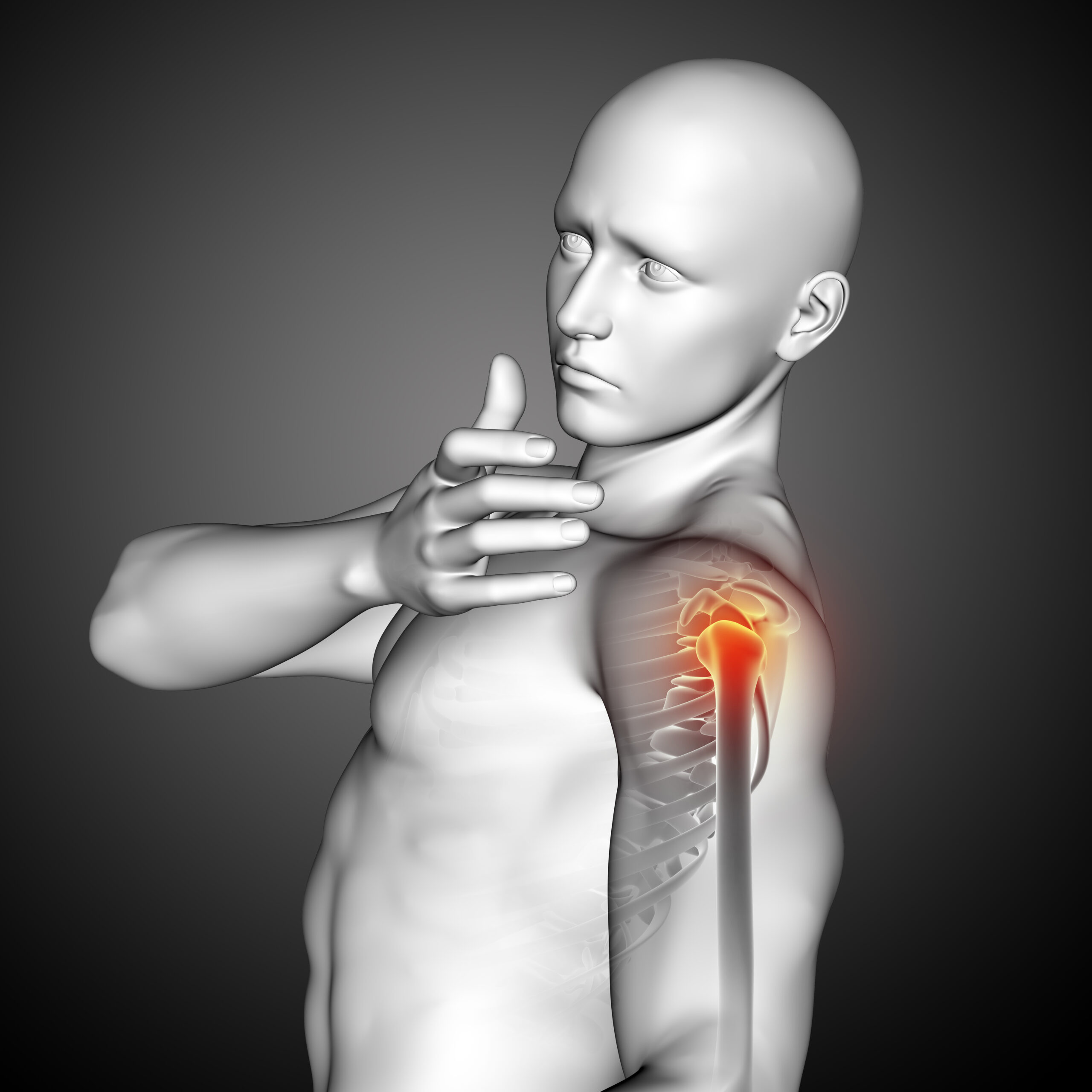
The shoulder is the most mobile joint in our body. The secret behind this flawless design, which allows us to move our arms freely in every direction, lies in the smooth, slippery “articular cartilage” tissue covering the ends of the bones. However, when this valuable tissue is damaged as a result of an accident, a sports injury, or wear over time, movement can turn into painful torment, and complaints such as catching or locking in the shoulder can seriously reduce quality of life.
Cartilage tissue has almost no capacity to heal itself. For this reason, the permanent solution for advanced cartilage damage is generally modern shoulder cartilage surgery. So how is this surgery performed, and what kind of solution does it offer you?
What Is Shoulder Articular Cartilage, and Why Does It Get Damaged?
Articular cartilage is a smooth, white tissue a few millimeters thick that covers the surfaces of the bones forming the shoulder joint (the head of the humerus and the socket of the shoulder blade). Its main function is to allow the bones to glide over one another with minimal friction.
The most common causes of cartilage damage are as follows:
- Traumatic Injuries: Sudden events such as falling onto the shoulder, traffic accidents, or repeated shoulder dislocations can cause fractures or delamination in the cartilage.
- Overuse and Wear (Degeneration): With age, or as a result of continuously repeated strenuous movements, cartilage tissue wears down and thins over time. This condition is known as “osteoarthritis” or “joint calcification.”
How Is Shoulder Cartilage Surgery Performed? Arthroscopic (Closed) Methods
Today, the vast majority of shoulder cartilage treatments are performed using shoulder arthroscopy (closed surgery), which offers the patient great comfort. In this method, a camera and specialized surgical instruments are inserted into the joint through a few small incisions made around the shoulder, allowing the damage to be clearly visualized and treated at the same time. The surgical technique applied is determined according to the size and depth of the cartilage damage:
1. Arthroscopic Debridement (Cleaning):
Used in early-stage damage where the cartilage is frayed and irregular. The goal is to remove freely floating cartilage fragments that catch in the joint and to smooth irregular surfaces by shaving them. This method reduces pain and catching.
2. Microfracture Technique:
Preferred for small (generally less than 2 cm²) full-thickness cartilage defects. Small fractures are created on the surface of the bone in the damaged area to induce bleeding there. The stem cells within this blood clot gradually form a new tissue called “repair cartilage” (fibrocartilage).
3. Mosaicplasty (Cartilage Transplantation):
For larger cartilage defects, healthy cartilage and bone cylinders (grafts) taken from another part of the body (usually from a non-weight-bearing area of the knee) are laid like a mosaic into the damaged area of the shoulder. This way, the damaged area is filled with healthy cartilage tissue that most closely resembles the original.
Shoulder Cartilage Surgery in Ankara: A Return to an Active Life
Shoulder cartilage surgery is a delicate operation that requires an accurate diagnosis, the right choice of technique, and an experienced surgical team. Our team, which specializes in particular in shoulder surgery in Ankara, aims to relieve our patients’ pain using the latest arthroscopic techniques and to return them to active, healthy lives as quickly as possible.
Frequently Asked Questions (FAQ)
1. Can shoulder cartilage damage heal without surgery? Unfortunately, because cartilage tissue has no blood supply, it has no meaningful capacity to heal. Small, superficial injuries can be managed with conservative methods, but full-thickness cartilage defects do not heal without surgical intervention.
2. What is the recovery and physical therapy process like after surgery? The recovery process varies depending on the type of surgery performed. A shoulder sling is generally required for some time after surgery. However, the most critical key to success is the detailed, personalized physical therapy program applied after surgery. This program helps the shoulder regain its range of motion, strength, and stability.
3. When can I return to sports? Returning to sports can take anywhere from 6 months to 1 year, depending on the surgery performed and the type of sport. This decision should be made together with your surgeon and physical therapist.
Reclaim Your Freedom of Movement
You do not have to live with pain and catching in your shoulder. Shoulder cartilage damage is a problem that can be successfully treated with today’s modern arthroscopic surgical methods. With the right diagnosis and treatment, you can regain your freedom of movement and continue your active life right where you left off.
Take a step to find out the cause of your shoulder pain and discuss the treatment options best suited to you. For a detailed examination and consultation, contact us.
Click Here to Book an Online Appointment or Call Us: 0312 502 70 74 0533 968 82 07