Ankle Osteoarthritis Doesn’t Have to Be Your Fate: Return to Pain-Free Steps with a Prosthesis
A severe pain felt in your ankle with every step, a simple walk turning into torment, and movement that grows more and more restricted… Advanced wear of the cartilage in the ankle joint, in other words ankle osteoarthritis (arthritis), is one of the orthopedic problems that most profoundly affects a person’s quality of life. If you think you must live with this pain for years, you should know that modern medicine offers a solution that can give you back your freedom of movement: ankle replacement (prosthesis).
This advanced-technology surgical method, much like knee and hip replacements, renews the worn joint and opens the door to a pain-free life.
What Causes Ankle Osteoarthritis (Arthritis)?
While knee and hip osteoarthritis usually develop from age-related wear, ankle osteoarthritis most often has other underlying causes:
- Past Trauma: An ankle fracture sustained years ago or repeated ligament injuries are the most common causes of osteoarthritis.
- Rheumatic Diseases: Inflammatory joint diseases such as rheumatoid arthritis can damage cartilage tissue.
- Neurological Problems: Joint deformities that develop due to nerve damage.
The Most Critical Decision: Ankle Replacement or Fusion Surgery (Arthrodesis)?
There are two main options for the surgical treatment of advanced-stage ankle osteoarthritis, and understanding the difference between them is critical for the patient to make the right decision.
1. Ankle Fusion (Arthrodesis)
This is a traditional method that has been used for years and is considered the “gold standard.” During surgery, the worn cartilage tissue is completely removed, and the two main bones forming the ankle joint (the tibia and the talus) are fixed together with screws so that they fuse into one.
- Advantage: It permanently eliminates pain and is an extremely durable, lifelong solution.
- Disadvantage: It completely eliminates the up-and-down movement of the ankle. This alters walking mechanics and causes the load to shift onto the other joints of the foot, which can lead to osteoarthritis developing in those joints as well over the long term.
2. Ankle Replacement (Arthroplasty)
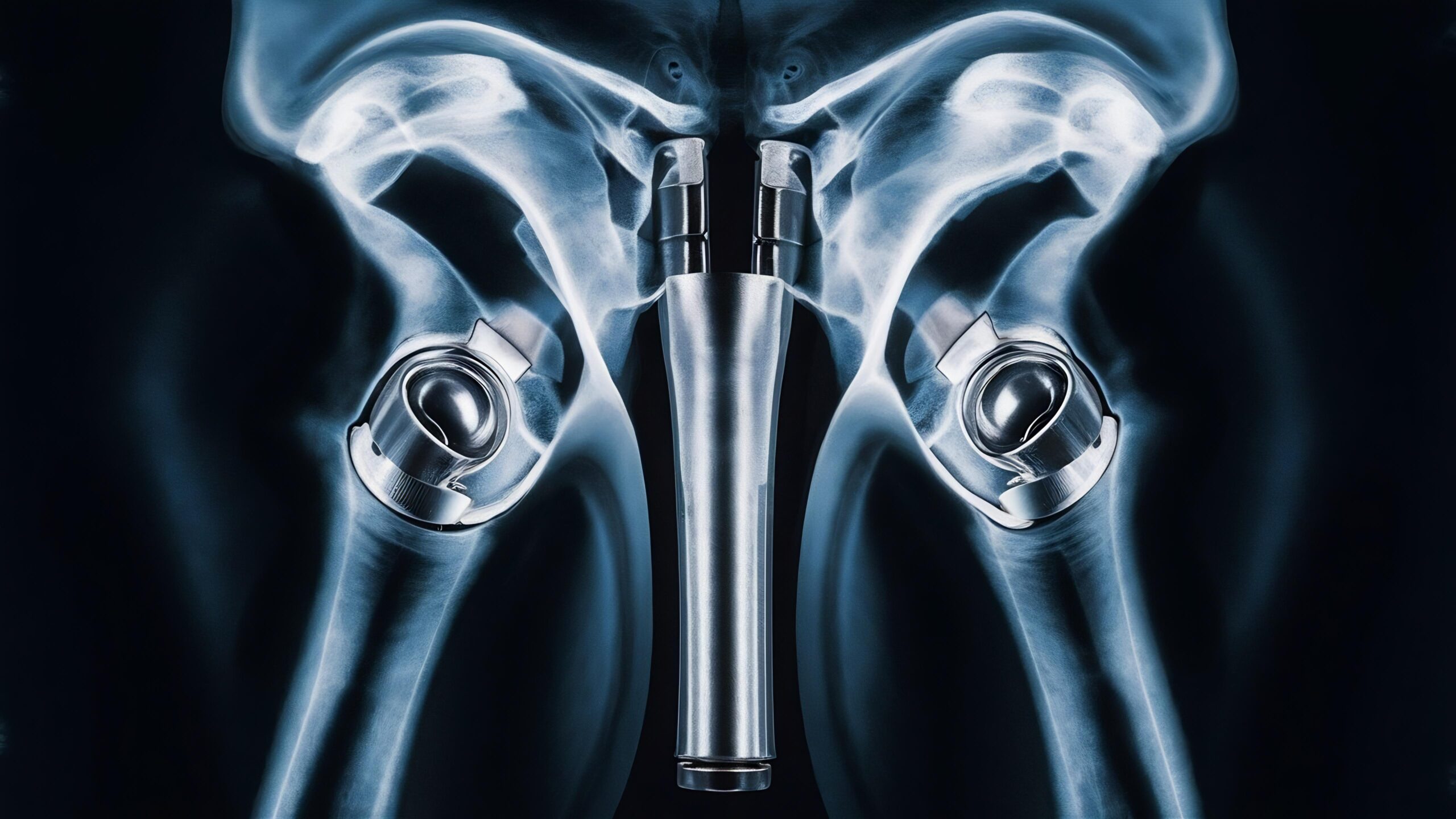
In this modern method, the worn joint surfaces are cut away and removed, and an artificial joint made of metal and polyethylene (a special type of plastic) components, similar to those used in knee and hip replacements, is put in their place.
- Advantage: Its greatest strength is that it eliminates pain while preserving the up-and-down movement of the ankle. This allows the patient to have a more natural gait and protects the neighboring joints from excess load.
- Disadvantage: It is a more complex surgery than fusion, and the prosthesis itself has a lifespan (on average 10-15 years).
Who Is a Good Candidate for Ankle Replacement?
Ankle replacement may not be suitable for every patient. Ideal candidates are generally:
- Those with advanced-stage ankle osteoarthritis,
- Those who have not benefited from conservative methods such as medication, injections, and physical therapy,
- Those who wish to preserve ankle motion,
- Generally patients over the age of 50 who are less active and of normal weight.
- Individuals without severe deformity, infection, or bone loss in the ankle.
This decision must be made following a detailed evaluation by an orthopedist specializing in foot and ankle surgery.
Ankle Replacement in Ankara: Expertise That Preserves Freedom of Movement
Ankle replacement is a specialized surgery that requires a high degree of technical precision and experience. The success of the operation is directly related to correct patient selection and the surgeon’s experience in this field. At our clinic in Ankara, we prioritize preserving our patients’ freedom of movement by offering them the most up-to-date prosthesis technologies and surgical approaches.
Frequently Asked Questions (FAQ)
1. What is the recovery process like after surgery? The recovery process requires patience. After surgery, the foot is usually kept non-weight-bearing in a cast or a special boot for several weeks. After this period, an intensive physical therapy and rehabilitation program begins to restore range of motion and strength.
2. How long does an ankle prosthesis last? The lifespan of modern prostheses is, on average, 10-15 years or more, depending on the patient’s age, weight, and activity level.
3. Can I play sports after prosthesis surgery? Low-impact activities such as walking, cycling, and swimming are generally permitted. However, high-impact sports that place excessive load on the prosthesis, such as running and jumping, are not recommended.
Pain-Free Steps and Preserved Movement
Severe ankle osteoarthritis can be a problem that brings life to a standstill. However, for the right patient, ankle replacement is an excellent alternative to fusion surgery, relieving pain while preserving range of motion.
Don’t let the pain in your ankle restrict your life any further. Take a step to learn which treatment option is right for you (replacement or fusion). For a detailed examination, get in touch with us.
Click Here to Book an Appointment Online or Call Us: 0312 502 70 74 0533 968 82 07