A New Era in Knee Osteoarthritis: Robotic Total or Partial Knee Replacement?
Years of knee pain, the strain you feel with every step you take, and treatments that no longer work… When knee osteoarthritis reaches this point, the permanent solution is usually knee replacement surgery. However, technology is bringing revolutionary innovations to this field as well. So what exactly is robotic knee replacement surgery, a term we hear so often, and is it more appropriate to replace the entire knee or only the damaged portion?
In this article, we will clarify the key differences between robotic total knee replacement and robotic partial (unicondylar) knee replacement, which method is more suitable for which patient, and the critical role of robotic technology in these surgeries.
The Root of the Problem: What Is Knee Osteoarthritis?
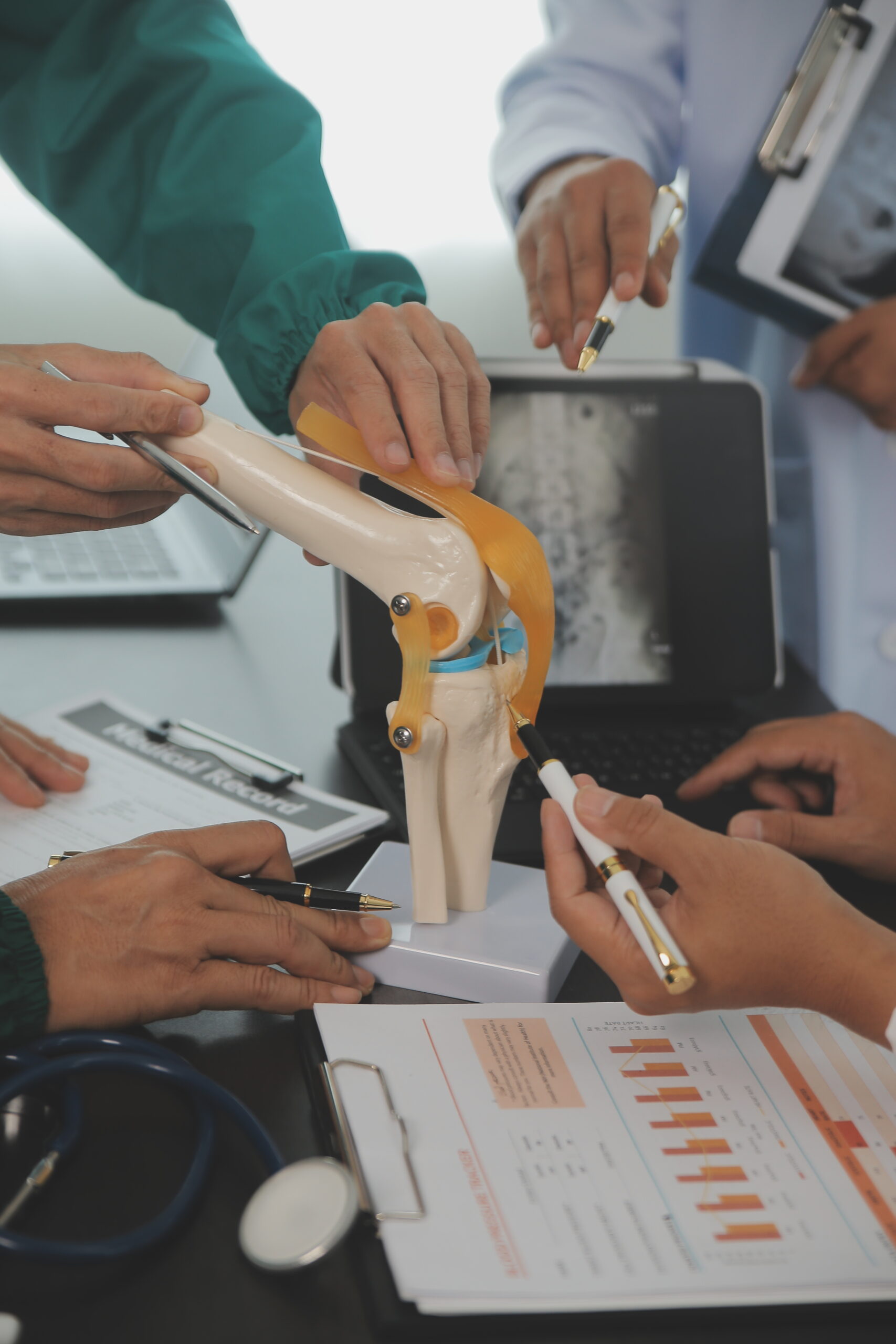
The knee joint is a structure where three main bones (the femur, tibia, and patella) meet, with their surfaces covered in cartilage. Knee osteoarthritis is the gradual wearing down of this protective cartilage layer over time. When the cartilage thins and disappears, the bones begin to rub against each other, resulting in severe pain, limited range of motion, and leg deformity.
Robotic Surgery: Flawless Results with Millimetric Precision
First, it should be noted that a robot does not perform robotic knee replacement surgery. The surgery is carried out by an experienced orthopedic surgeon who uses robotic technology as a guide.
The power of the robotic system comes from its ability to create a 3D model of the patient’s knee based on a preoperative CT scan. The surgeon uses this model to select the most suitable implant and to plan the angles and placement of the bone cuts with a precision of less than 1 degree and 1 millimeter. During the surgery, the robotic arm guides the surgeon in following this flawless plan and eliminates the margin for error.
1. Robotic Total Knee Replacement: A Comprehensive Solution for Widespread Osteoarthritis
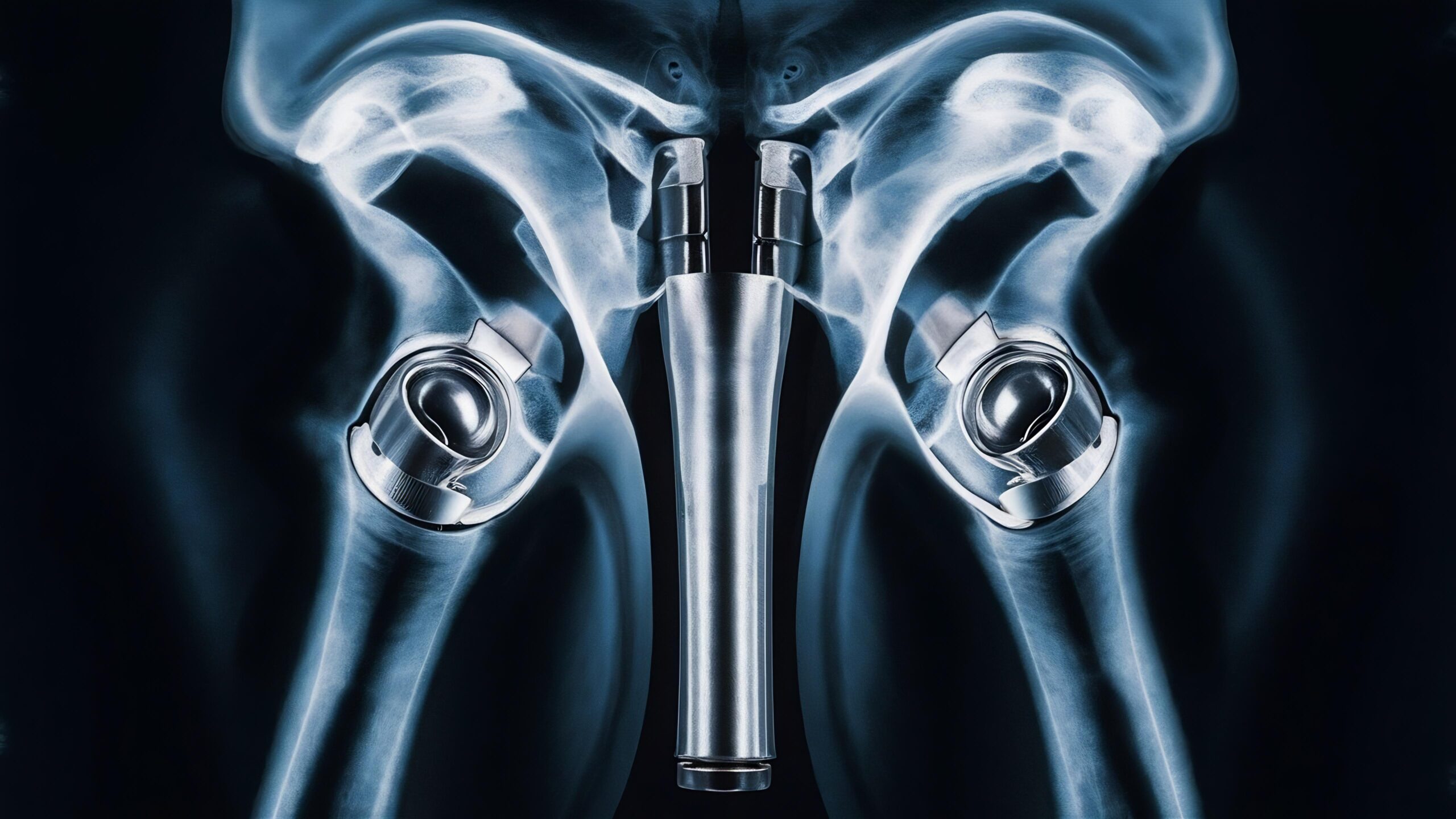
Total knee replacement is a method used when osteoarthritis is widespread across all three compartments that make up the knee joint (medial, lateral, and patellofemoral). In this surgery, all worn joint surfaces are cleared away and resurfaced with a new, artificial joint made of metal and polyethylene implants.
The Role of Robotic Technology in Total Knee Replacement:
- Flawless Alignment: Ensures the implant is positioned in perfect alignment with the leg’s mechanical axis. This is the most critical factor in extending the implant’s lifespan.
- Balanced Ligament Tension: Digitally measures the tension of the soft tissues and ligaments around the knee during surgery to achieve ideal balance. This gives the patient a more natural feeling knee.
Robotic total knee replacement is the gold-standard treatment for patients with advanced, widespread knee osteoarthritis.
2. Robotic Partial (Unicondylar) Knee Replacement: A Minimally Invasive Approach for Limited Wear
But what if the osteoarthritis affects only one part of your knee? This is where partial knee replacement comes in. In cases of limited osteoarthritis, most commonly seen in the medial compartment of the knee, only the damaged surface is replaced, leaving the knee’s healthy areas untouched.
The Importance of Robotic Technology in Partial Knee Replacement: Partial knee replacement is, technically, a far more delicate surgery. The implant must fit perfectly with the remaining healthy cartilage and bone structures.
- Maximum Precision: The robotic system allows removal of only the damaged bone according to a millimetric plan, preventing any contact with healthy tissue.
- Preservation of Natural Anatomy: Allows important structures such as the knee’s cruciate ligaments to be preserved.
- Faster Recovery: Thanks to a smaller incision, less bone loss, and preservation of healthy tissue, patients generally get back on their feet and return to normal life more quickly.
Robotic partial knee replacement is a tissue-sparing surgical method that delivers excellent results when the right patient is selected.
Which One Is Right for You?
The decision between total and partial replacement is made through a detailed examination by an expert surgeon together with imaging results such as X-rays and MRI. In general;
- Total Replacement: If you have widespread pain and osteoarthritis in more than one part of your knee.
- Partial Replacement: May be a suitable option if your pain is concentrated only on the medial or lateral side of your knee and the osteoarthritis is limited to a single compartment.
Frequently Asked Questions (FAQ)
1. Is a partial knee replacement less durable? A partial knee replacement placed with the correct technique and precision using robotic surgery can last just as long as a total knee replacement. Success depends on proper patient selection and surgical technique.
2. What is the recovery process like after robotic knee replacement surgery? Recovery after partial knee replacement is generally faster. However, with both methods, patients are walked the next day and, with a comprehensive physical therapy program, can return to their daily lives within a few weeks.
3. Where is robotic knee replacement surgery performed in Ankara? Our clinic has the most advanced technology and an experienced surgical team for robotic knee surgery in Ankara.
Conclusion: Personalized Solutions for Pain-Free Steps
There is no single “right answer” in the treatment of knee osteoarthritis. Thanks to technologies such as robotic surgery, modern orthopedics can now offer every patient a solution tailored to their own needs. Whether total or partial replacement, the goal with robotic technology is to relieve pain, restore function, and maximize the lifespan of the implant.
Don’t let knee pain control your life. Book an appointment today to determine the robotic surgical solution best suited for you and take a step toward a pain-free life.
Click Here to Book an Online Appointment or Call Us: 0312 502 70 74 0533 968 82 07