The Dilemma of Being “Too Young” for a Prosthesis
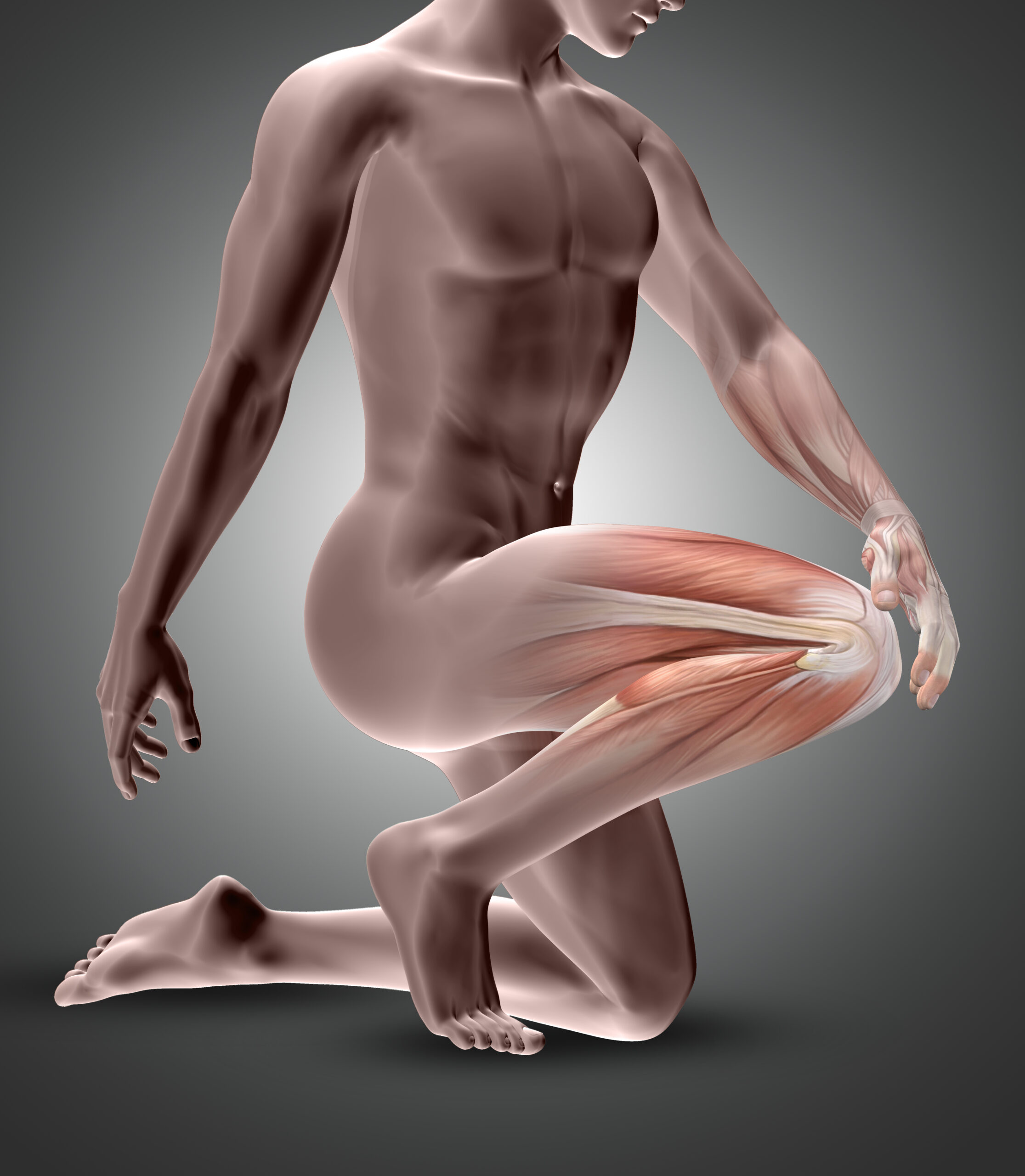
Imagine a young patient. Serious cartilage damage in the knee joint that prevents them from playing sports, or even from walking normally in daily life. Most of the doctors they see give the same answer: “You’re too young for a prosthesis, we should wait for now.” Yet for these patients, quality of life has already declined, and the pain has become unbearable.
As an Orthopedics and Traumatology Specialist, over the years I have personally witnessed how much hope biological, innovative solutions such as cartilage transplantation offer this challenging patient group.
The Solution for Extensive Cartilage Damage: What Is Fresh Tissue Transplantation?
Over the years, I have seen that the most effective and lasting solution for extensive cartilage and bone tissue loss, especially in young and active patients, is fresh tissue transplantation from a cadaver (allograft).
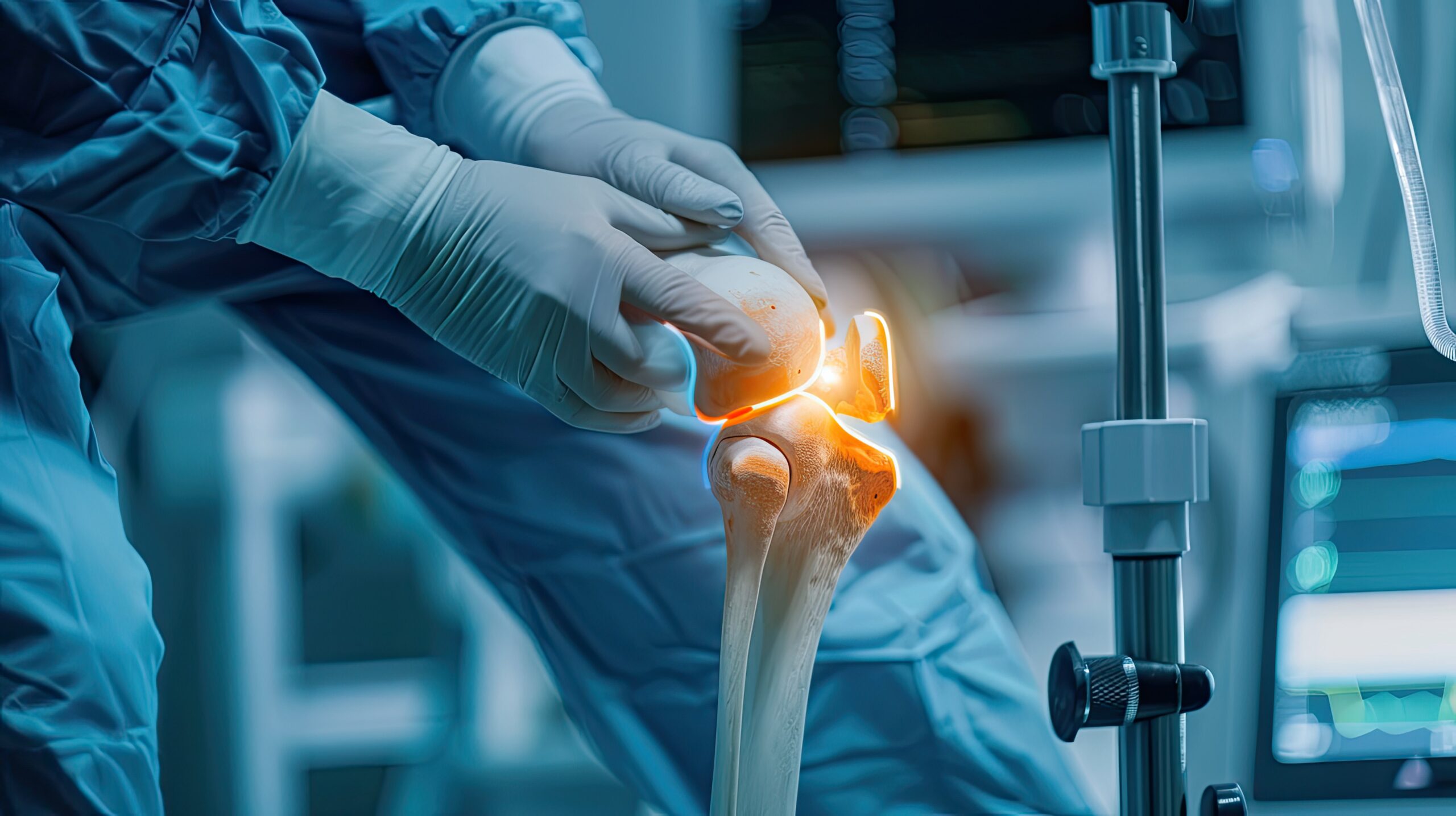
With this method, I transplant healthy, fresh cartilage tissue obtained from specialized tissue banks in Turkey and abroad into the patient’s damaged area. This approach provides biological repair while preserving the patient’s own joint.
Prof. Dr. Murat Bozkurt’s Experience with Cartilage Transplantation
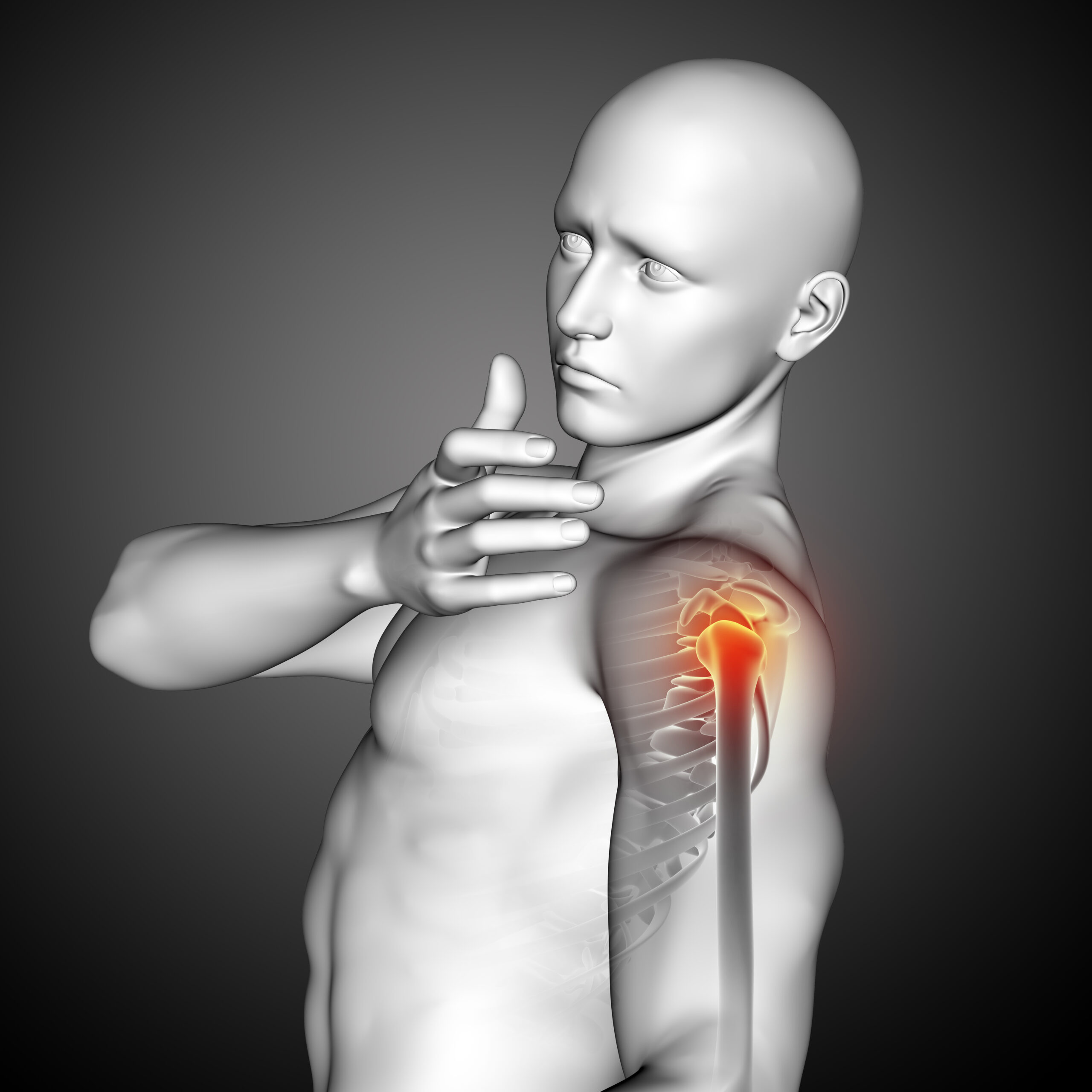
In my clinic, I have performed a number of successful cartilage transplantation operations that likely represent one of the largest clinical series in our country. I have applied this method not only for knee treatments, but also, in selected cases, for serious damage in the hip, ankle, and shoulder joints.
How Do We Personalize the Treatment?
One of the most important factors that increases success is biological compatibility. In the approach I have developed based on my experience, we enrich and process these cadaveric tissues with the patient’s own stem cells, making them biologically as suitable as possible for that patient.
This personalized approach:
- Maximizes tissue compatibility.
- Significantly accelerates the healing process.
I have contributed to the scientific literature by publishing the successful results I have achieved with this method in respected international surgical journals. Because this is not just an innovation in [suspicious link removed], but also a gateway to the future of orthopedics.
The Medicine of the Future: From Metal Prostheses to Biological Joints
I truly believe that the medicine of the future will turn back to our own biology. The tissue banks we use today will, in the near future, be replaced by cell and organ banks. In these advanced technology centers, “patient-specific” tissues will be produced.
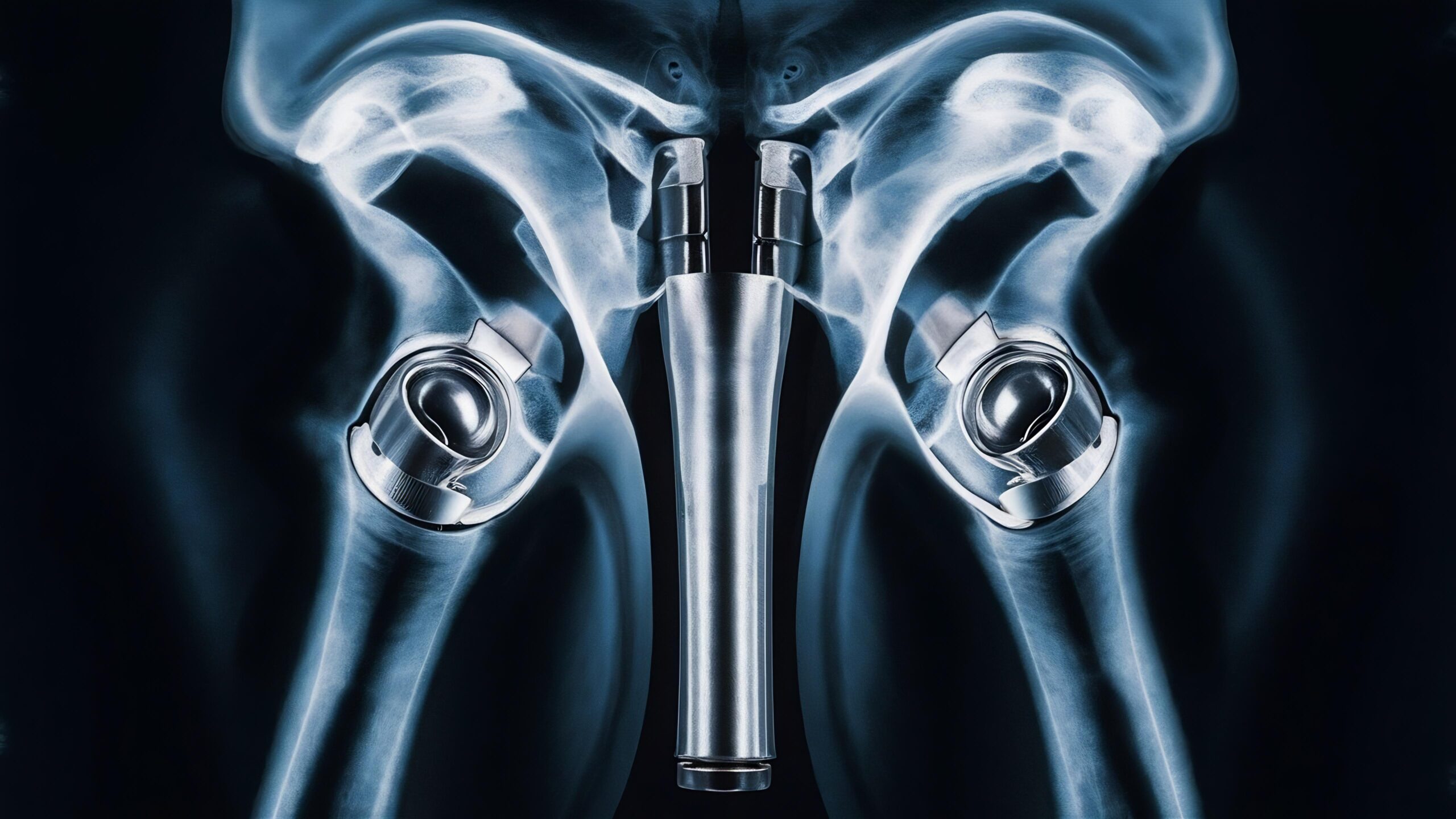
When that day comes, today’s metal prostheses will be completely replaced by biological joint renewal. What we successfully do today in [suspicious link removed] forms the foundation of tomorrow’s complete joint transplants. Very soon, a knee joint may be “rebuilt” not from metal, but from the body’s own cells.
Conclusion: The Future Lies in Our Own Biology
For young patients whose lives have been restricted by cartilage damage, there is no room for hopelessness. The solution lies not in a metal prosthesis, but hidden within our own biology.
In my next article, I will share with you the stories of five patients on whom I applied this method, their return to walking, and their return to life.
If you too are experiencing a similar cartilage problem, you can contact me to learn more about the biological and innovative treatment options offered by modern orthopedics.
5. Frequently Asked Questions (FAQ) Section:
Frequently Asked Questions About Cartilage Transplantation
1. What is cartilage transplantation? Cartilage transplantation is a surgical procedure in which damaged joint cartilage is replaced with healthy, fresh cartilage tissue, usually obtained from a tissue bank (cadaver). Prof. Dr. Murat Bozkurt enriches this procedure with the patient’s own stem cells to increase biological compatibility and healing potential.
2. Is everyone a candidate for cartilage transplantation? Cartilage transplantation is an ideal option particularly for patients considered “too young” for a prosthesis, but whose cartilage damage seriously impairs their daily quality of life (walking, going up and down stairs). A definitive decision is made after a detailed examination and imaging.
3. Is cartilage transplantation better than a prosthesis? This depends on the patient’s age, the extent of the damage, and activity level. In young and active patients, biological methods such as cartilage transplantation aim to preserve the joint’s natural structure and can postpone the need for a metal prosthesis for many years, or eliminate it entirely.
4. Which joints can cartilage transplantation be applied to? While cartilage transplantation is most commonly applied to the knee joint, Prof. Dr. Murat Bozkurt also successfully applies this treatment in suitable cases involving the hip, ankle, and shoulder joints (extensive cartilage and bone loss).
Click to Book an Online Appointment or Call Us: 0312 502 70 74 0533 968 82 07