Why I Perform Robotic-Assisted Joint Replacement
In meniscus transplantation surgery, which I began nearly 15 years ago, I now have the largest series in our country. My first surgical experience with meniscus transplantation was, years ago, an operation involving both lateral and medial meniscus transplantation. This was the first medial and lateral meniscus transplant operation performed in our country. At that time, this operation had rarely been performed anywhere in the world.
My first hero in meniscus transplantation was dear Dürdane, who at the time was a successful professional volleyball player. Dear Dürdane, who visits me every year on February 14th, is now living a healthy life as a highly successful healthcare worker. Years ago, we used to prepare the menisci ourselves from cadavers before transplanting them; now we are able to obtain menisci matched to our patients’ meniscus size, sex, and age from tissue banks. We transplant these menisci together with bone tissue, matched to the bone tissue we prepare in the patient.
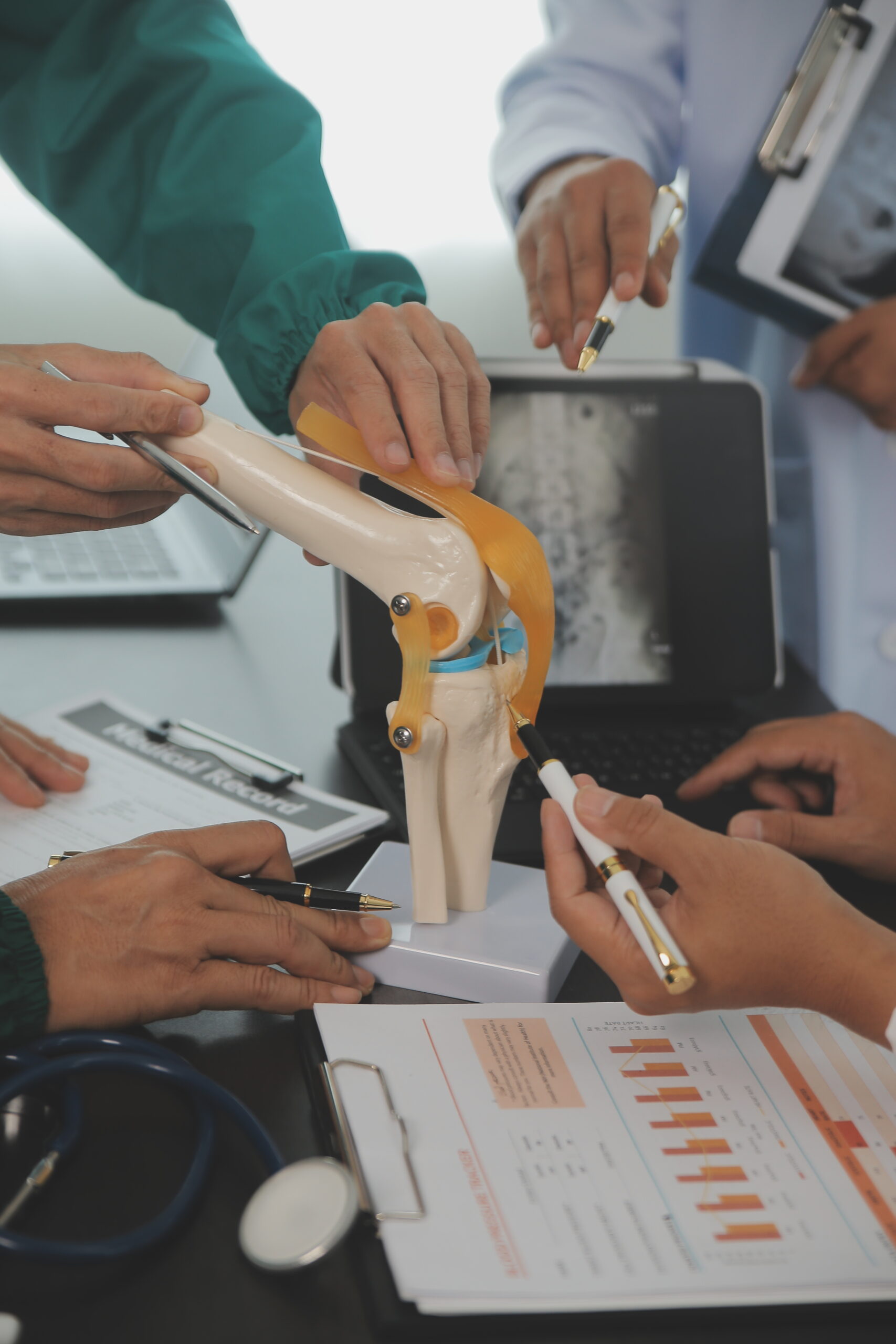
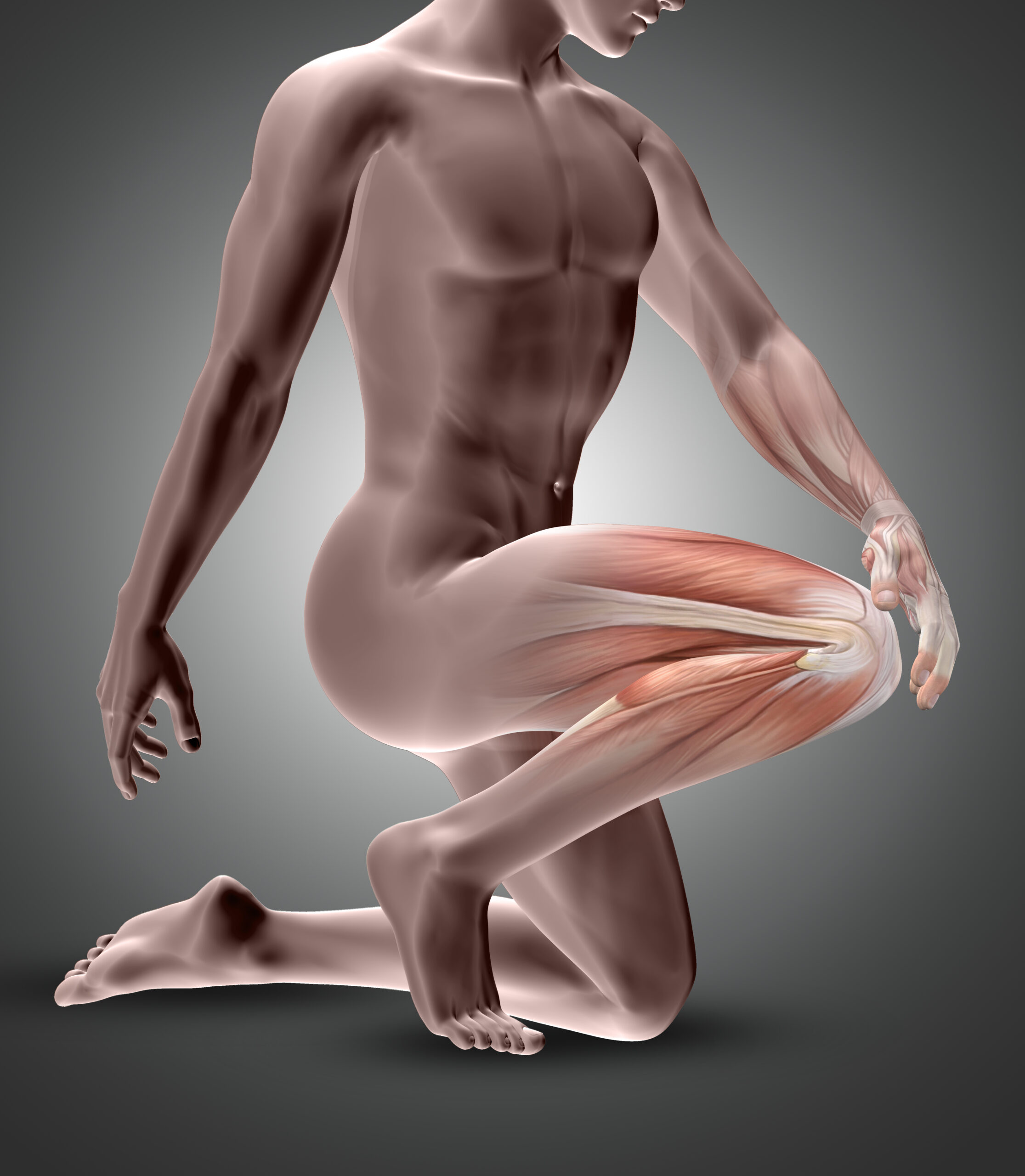
So, why meniscus transplantation? Meniscus tissue is an indispensable structure for the knee joint. Both the lateral and medial menisci are among the most important intra-articular structures that give the knee joint its stability. When meniscus tissue is lost, it is not only the cartilage that is affected, but the intra-articular ligaments as well. Scientific studies have shown that when meniscus tissue is lost, future osteoarthritis becomes almost inevitable. Just imagine: a very young patient with no meniscus and a poor quality of life. Most of these patients come to us after being told, “wait, eventually you’ll need a joint replacement.” In the United States and in Europe, meniscus transplantation is a common operation, and patients are referred to centers that specialize in it. As a result, these patients’ joint health is preserved through surgery performed at an early stage.
Unfortunately, in our country this is not a very common operation, and since our colleagues do not have sufficient and satisfactory knowledge on the subject, patients often only find their way to us through information available on the internet. Over the course of nearly 15 years, I have now performed more than 170 meniscus replacements. In the long-term follow-up of many of these patients, both their quality of life improved and their joint was preserved in a healthy state.
However, there is something that must not be forgotten: every effort should first be made to repair the meniscus tissue. Unfortunately, in cases where the meniscus tissue has little potential to heal — particularly at an advanced age — we have very little chance of doing so. Worldwide, the age limit for meniscus transplantation has been extended up to 55. Still, it is important to carefully assess the condition of the joint. I have also had experience performing meniscus transplantation in middle-aged patients, particularly those with proper joint alignment. That said, these cases must be carefully evaluated, discussed with the patient, and a decision made accordingly. It should also be kept in mind that even when a young patient has a limb alignment problem, both alignment surgery and meniscus transplantation can be performed together. I have had experience with this approach in more than 25 cases.
Sometimes I reproach my patients, asking, “Why don’t you call me?” They tell me they haven’t felt the need to call because they are doing well. On the one hand, this makes me happy; on the other, it makes me curious to check up on patients who have become like close family to me.
In summary, in this first article of mine, I wanted to briefly describe an operation that is very special to me. In the future, I will share more with you through patient stories. I wish you all good health.