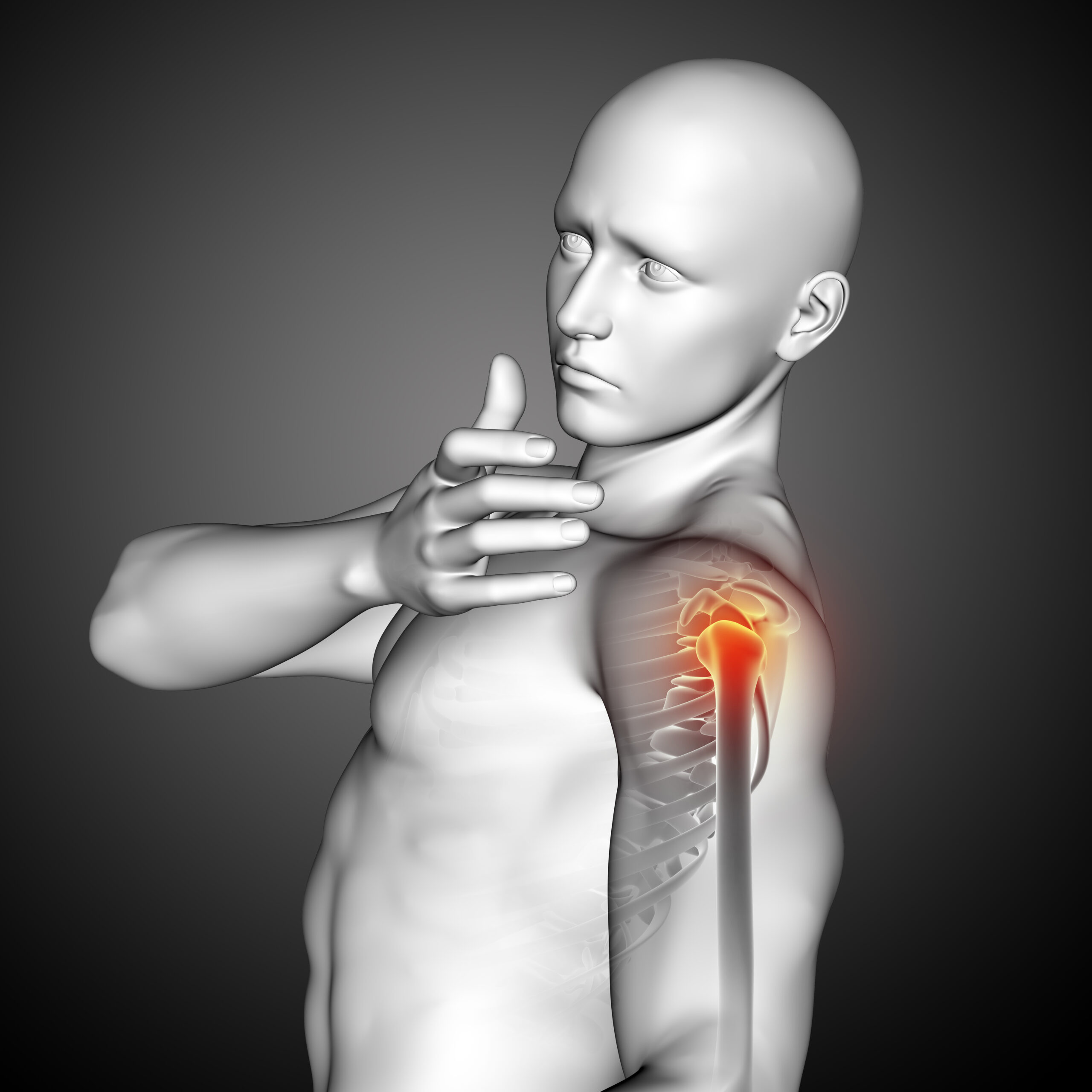
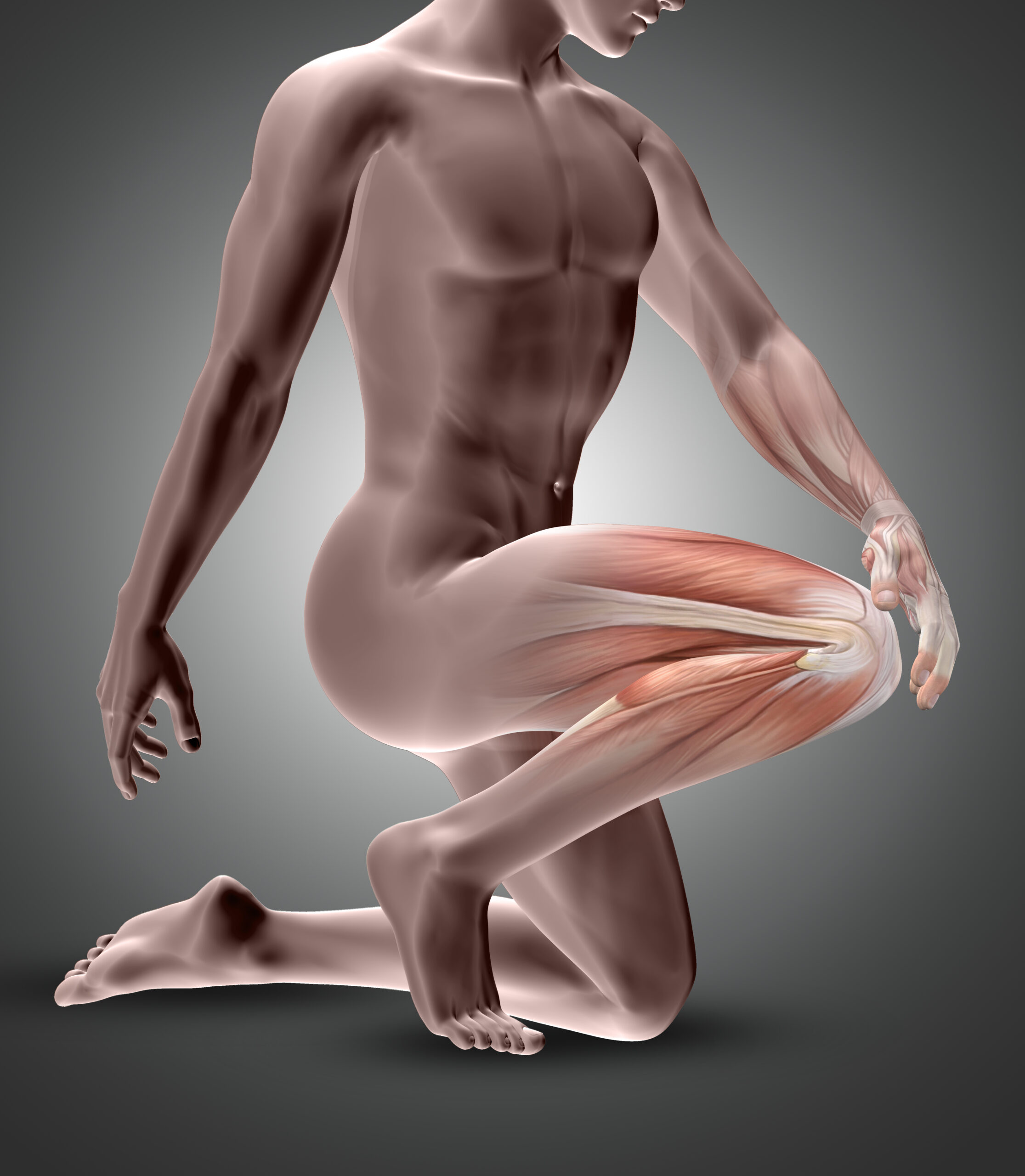
What Is a Knee Replacement? How Is Knee Replacement Surgery Performed?
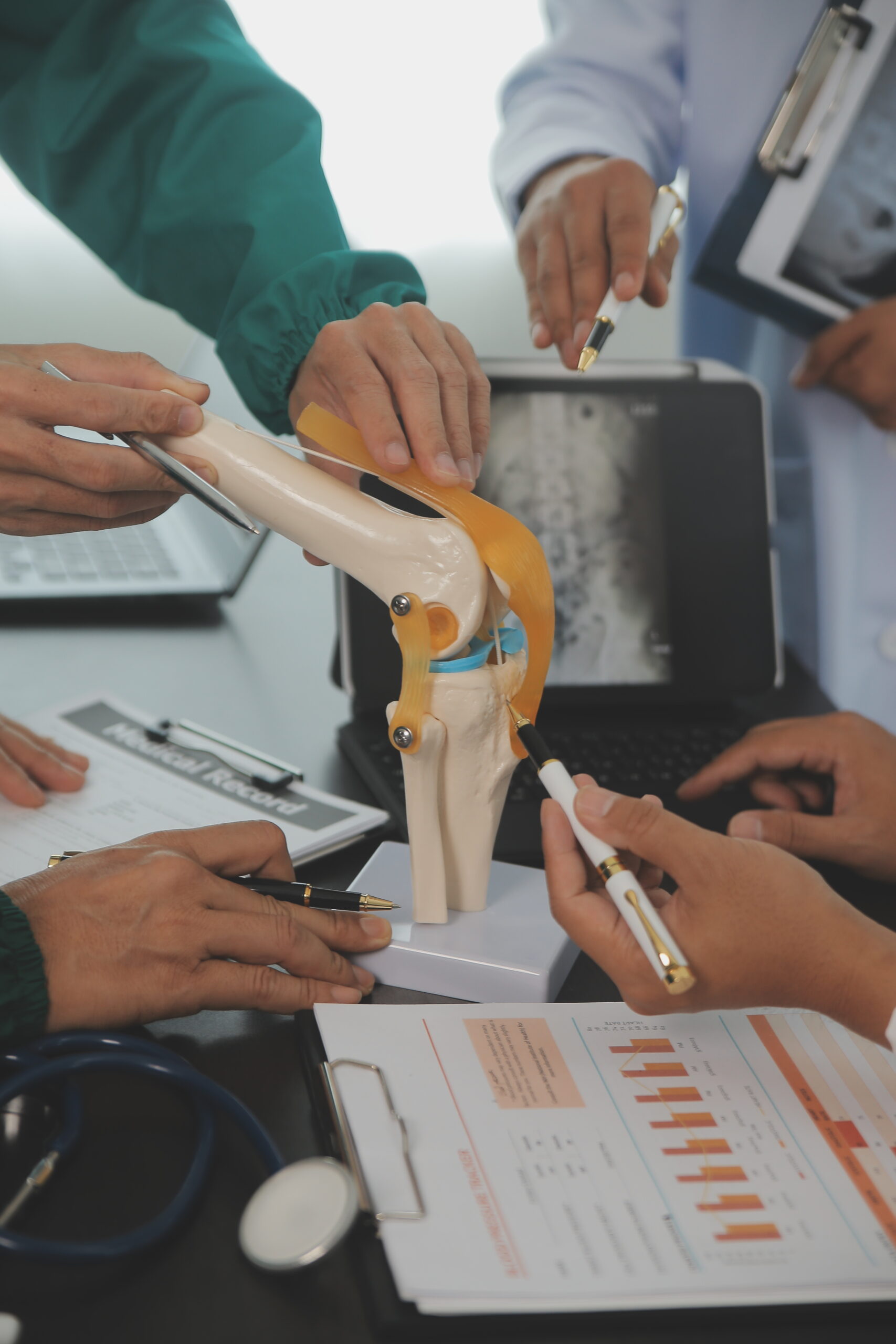
Today, knee joint problems are among the leading orthopedic conditions that most reduce quality of life. The stiffness you feel in your knees when you wake up in the morning, the strain experienced going up and down stairs, or that sharp pain that makes itself felt even during short walks are in fact important signals your body is sending you. As we have observed in our busy clinical practice in Ankara and in the thousands of successful operations we have performed, a large proportion of our patients tend to accept these pains as a natural consequence of aging. Yet thanks to advancing medical technology and surgical techniques, being condemned to immobility is not an inevitable fate. In this article, we will examine in full detail knee replacement surgery, one of the definitive solutions for knee joint osteoarthritis, and the robotic surgery options that modern medicine offers us.
In Which Cases Is a Knee Replacement Necessary?
Knee replacement surgery is a method we turn to primarily when the cartilage surfaces of the bones forming the knee joint are completely worn away and the joint can no longer perform its function. This condition is called gonarthrosis in medical terms and osteoarthritis (“calcification”) in everyday language. When our patients come to our clinic, we first evaluate non-surgical methods. After medication therapies, physical therapy applications, and intra-articular injections have been tried, if the patient’s pain still seriously impairs their quality of life and has reached a level that interrupts their sleep at night, replacement surgery emerges as the most effective option. Especially in advanced-stage osteoarthritis where the walking distance drops below 300 meters and deformities begin to appear in the legs, replacing the damaged joint surfaces with artificial materials offers the patient a pain-free and mobile life. In many of our patients who present with these complaints not only from within Ankara but also from surrounding provinces, we make the decision to operate by carefully analyzing factors such as age and bone quality.
How Is Knee Replacement Surgery Performed?
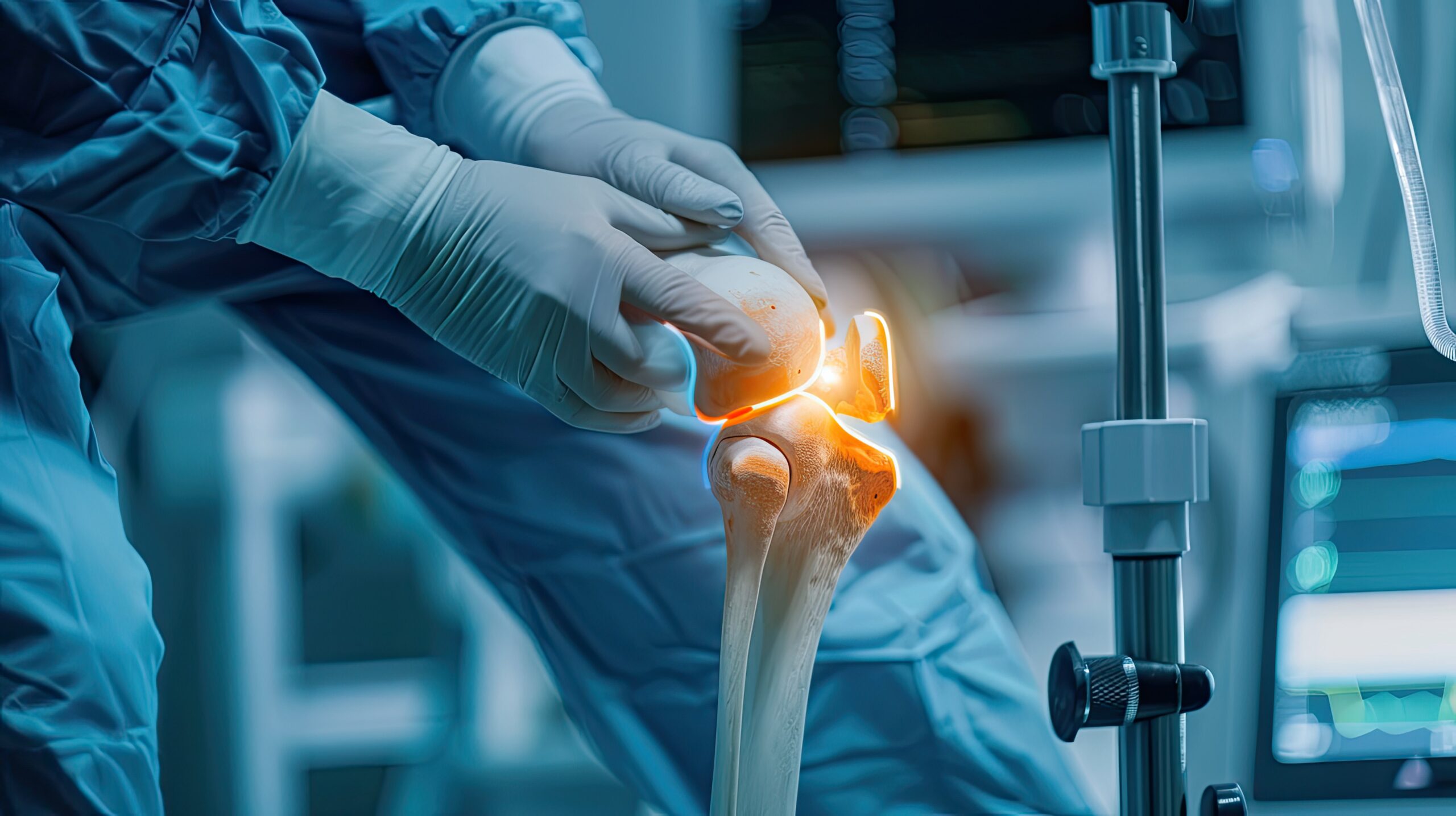
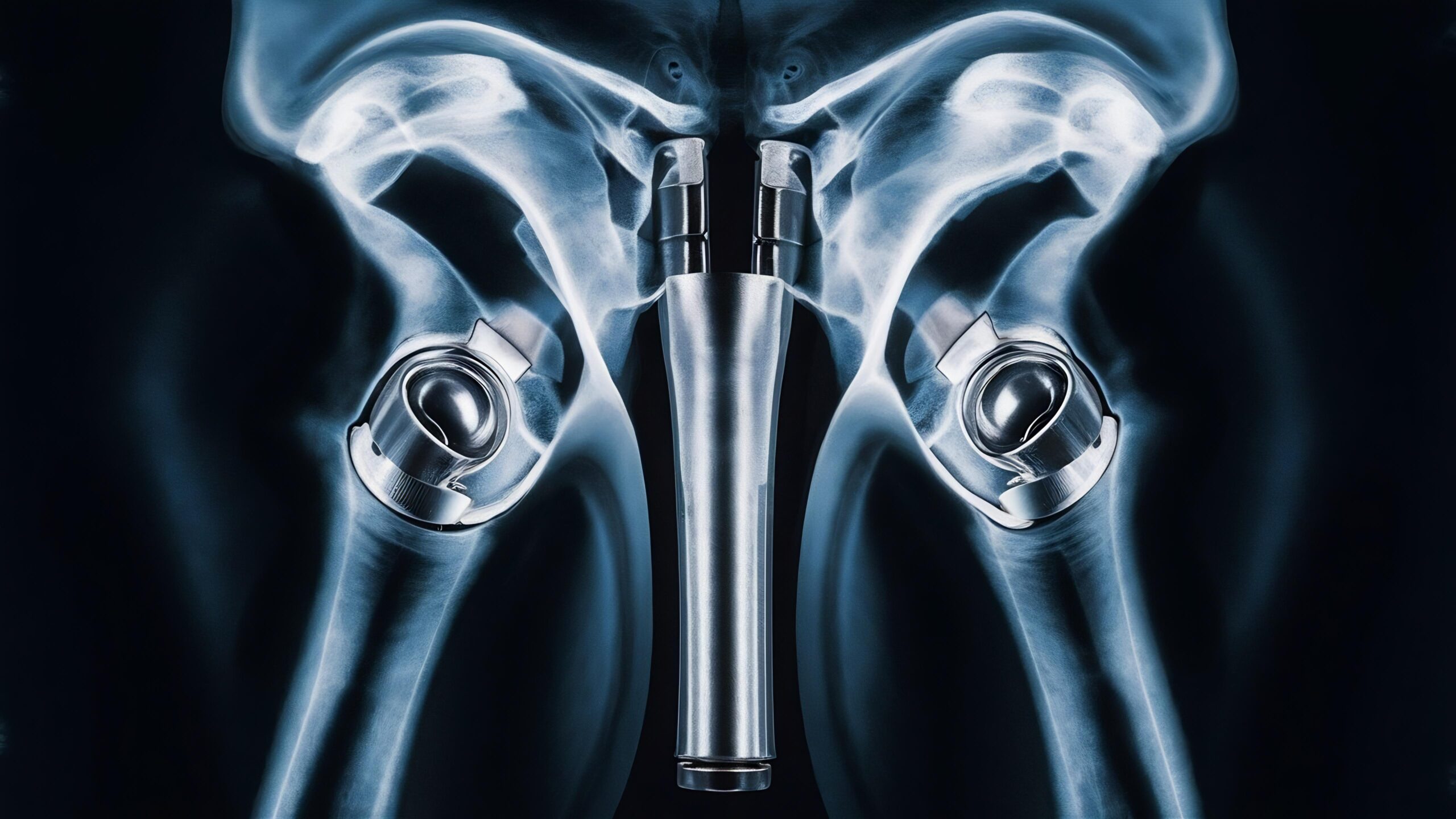
Knee replacement surgery is one of the most frequently performed and highest-success-rate operations in orthopedics, requiring high precision and expertise. The basic principle of the operation is to clean away the worn cartilage tissue and the small amount of bone tissue beneath it, and to place in its stead an artificial joint made of metal and polyethylene interfaces fully compatible with the human body. In addition to traditional methods, we successfully apply the latest technological capabilities in our clinic. The operation is performed under general or epidural anesthesia and takes an average of 1-2 hours. During surgery, the joint is reached through an incision made at the front of the knee. The damaged surfaces are shaved with millimetric precision. This stage is very critical, because the prosthesis to be placed must fit perfectly to the patient’s anatomical structure and leg axis. Correct implant placement is the most important factor extending the lifespan of the prosthesis.
Robotic Surgery and Its Advantages
With the integration of technology into surgery, revolutionary developments have taken place in knee replacement operations. The robotic systems we use in total replacement applications help us achieve an excellent result by minimizing the surgeon’s margin of error. In robotic surgery, a three-dimensional virtual model of the patient’s knee is created before the operation. On this model, the size of the prosthesis and the angle at which it will be placed are planned in the most ideal way. During the operation, the robotic arm prevents the surgeon from going beyond the planned boundaries, ensuring the protection of healthy bone and soft tissues. Thanks to this precise approach, our patients experience less pain after surgery, the amount of bleeding is reduced, and the recovery process is noticeably accelerated. Because robotic systems ensure the prosthesis is placed in the most suitable way for the natural kinematics of the knee, our patients report feeling their knees more natural after surgery. Thanks to these advanced-technology treatment options we offer in Ankara, our patients’ comfort is maximized.
Post-Surgery Recovery Process and Rehabilitation
A successful surgical operation is only half of the process; the other half is an effective rehabilitation process. It begins the very day after surgery. We usually get our patients up and walking the day after surgery, accompanied by our physiotherapists. Early movement is vital for regulating blood circulation and preventing clot formation. During the 3-4 day hospital stay, knee bending and stretching exercises are taught. After being discharged home, our patients must adhere to a specific exercise program. The stitches are usually removed on the 15th day, and after this period contact with water is permitted. Most of our patients begin to walk without support 3-4 weeks after surgery and return to their daily activities. Although full recovery and integration of the prosthesis with the body varies from person to person, patients who exercise regularly reach maximum performance between 3 and 6 months. Throughout this process, our expert team in Knee Treatments closely follows the patient.
How Long Does a Knee Replacement Last?
One of the most frequent questions our patients ask is how long the fitted prosthesis will last. While the lifespan of materials used in past years was limited to 10-15 years, thanks to today’s advancing material technology and surgical techniques this period has been considerably extended. Thanks to high-durability metal alloys and wear-resistant polyethylene interfaces, the lifespan of a knee prosthesis applied with the correct surgical technique can today reach 20-25 years, or even longer. Of course, factors affecting the lifespan of the prosthesis also include the patient’s weight, activity level, and bone quality. However, even if the prosthesis wears out or loosens, it is possible to replace it with revision surgery. For this reason, rather than living a painful life, improving quality of life through timely intervention is always the more correct approach.
In conclusion, knee replacement surgery is the most reliable and rewarding treatment method for patients experiencing severe knee pain and restricted movement. As Prof. Dr. Murat Bozkurt and our expert team, we evaluate each of our patients individually, offering the most suitable treatment protocol and, when necessary, robotic surgery options, enabling them to regain pain-free, mobile days. If you too want to get rid of your knee pain and regain your freedom of movement, you can contact us for a detailed evaluation and an examination at our clinic in Ankara.
5. Frequently Asked Questions (FAQ)
How long does knee replacement surgery take? Knee replacement surgery takes an average of 60 to 90 minutes, although this varies according to the condition of the case and the method to be applied (robotic or manual). This period may be somewhat longer including surgical preparation and the anesthesia process.
When can I walk after surgery? We usually get our patients up the day after surgery, that is within the first 24 hours, accompanied by a physiotherapist, and begin having them walk with the support of a walker. Early mobilization is the most important part of the recovery process.
Is knee replacement surgery very painful? Thanks to modern anesthesia methods and the pain management protocols we apply after surgery (PCA – Patient-Controlled Analgesia), our patients spend the post-operative period quite comfortably. The pain felt during the first few days is at a level that can be controlled with standard painkillers.
Can both knees be replaced at the same time? Yes, if the patient’s general health, age, and cardiopulmonary capacity are suitable, replacement surgery can be performed on both knees in the same session. This allows the patient to be relieved of both problems with a single recovery process and a single anesthesia. Prof. Dr. Murat Bozkurt successfully applies this treatment in suitable cases.
Click to Book an Online Appointment or Call Us: 0312 502 70 74 0533 968 82 07